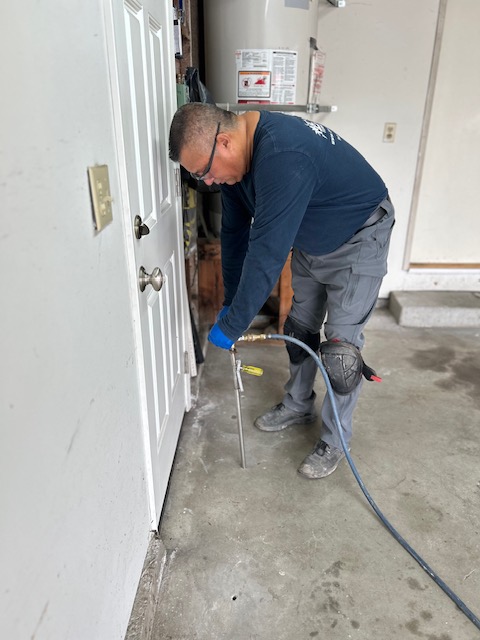
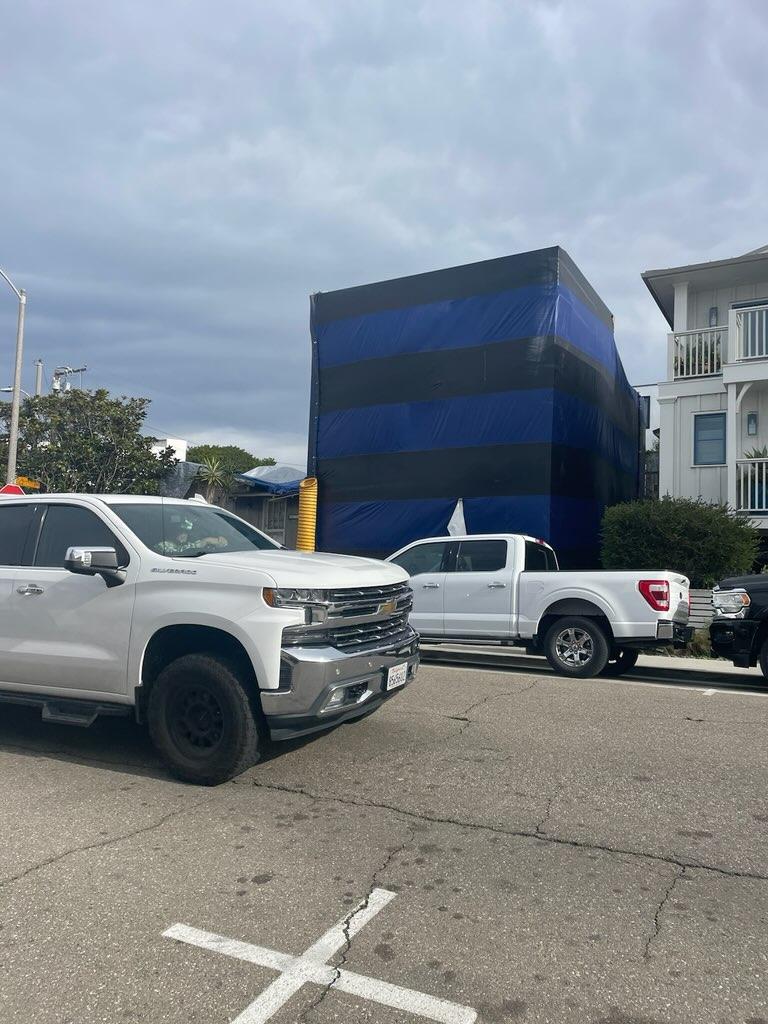
New construction gives builders and property owners a rare advantage: access. Before drywall, insulation, flooring, cabinetry, and exterior finishes cover the framing, much of the wood structure is still visible. That window is important because termites are most difficult to manage once they move into concealed spaces. A borate treatment helps protect exposed wood before the building is closed in, creating a practical layer of defense at a stage when treatment can be applied with better coverage and accuracy.
Borates are commonly used in termite-protection planning because they can be applied directly to unfinished wood. Once absorbed, they help make treated areas less favorable for termite feeding. For new homes, additions, commercial spaces, and construction projects, this early step supports long-term protection by addressing vulnerable wood before future inspections become more limited. It also helps builders avoid treating finished rooms later, when access is harder and disruption is greater for owners, tenants, or project teams. When the schedule is planned early, crews can work around framing stages without rushing treatment or missing areas that later become covered by other trades.
Why New Construction Is The Ideal Time
Borate application works best when framing is exposed and accessible. During construction, technicians can reach studs, sill plates, wall framing, subfloor areas, joists, and other wood components that may later be hidden. This matters because termites often use hidden paths, moisture-prone areas, and wood-to-soil vulnerabilities long before damage is visible indoors.
Key advantages during construction include:
- Access to exposed framing before walls and finishes are installed
- Better coverage on structural wood that may later become concealed
- Early protection for areas near plumbing, foundations, and moisture sources
- Reduced disruption compared with treating after occupancy
- Support for a termite-management plan before damage begins
New construction can still have termite risk. Soil conditions, nearby infestations, landscaping, moisture, crawl-space design, and construction materials can all influence future pressure. Professional planning helps determine where borate treatment fits alongside other termite services, such as inspection, soil treatment, foam treatment, tenting when needed, and ongoing monitoring.
How Borates Help Protect Exposed Wood
A borate treatment is applied to unfinished wood so the material can absorb the active ingredient. Once dry, the treated wood becomes less attractive as a food source for termites. This does not mean the structure becomes impossible for termites to approach. It means an important part of the building envelope has been treated before pests have the advantage of hidden access.
Borate treatments are especially valuable for:
- Framing near slab edges, plumbing penetrations, or moisture-prone sections
- Garages, crawl spaces, attics, additions, and unfinished structural areas
- Projects where long-term wood protection is part of the build plan
- New homes in termite-active regions with warm or coastal conditions
- Construction sites where prevention is more practical than correction
Even with preventive treatment, future inspections remain important. Buildings settle, moisture conditions change, and landscaping can create new contact points. A smart construction-stage plan should be paired with scheduled evaluation, and guidance on termite inspection timing can help property owners understand why prevention and monitoring work together.
Why Professional Application Matters
Borate treatment is not just about applying a product. It requires judgment about wood type, access, moisture conditions, application areas, and construction timing. If the treatment is placed too late, key framing may already be covered. If it is placed unevenly, vulnerable sections may remain untreated. If active termite concerns are already present nearby, the plan may need additional control measures.
Professional service supports safer, more complete treatment through:
- Inspection of exposed framing and construction details before application
- Identification of high-risk areas based on moisture, soil, and access points
- Proper application to unfinished wood surfaces that can absorb treatment
- Coordination with builders before walls, insulation, or finishes closes access
- Clear recommendations for follow-up inspections after the project is complete
This expert-led approach is important because hidden termite problems do not respond well to guesswork. Store-bought sprays may reach visible areas, but they rarely address concealed termite movement or structural access. The limits of surface treatments are explained further in this guide on hidden termite control, which reinforces why the source and structure matter.
Borates are one part of a broader termite-protection strategy. Depending on the property, professionals may recommend inspection, soil treatment, foam treatment, or other termite-specific methods. The best plan considers how the structure is built, where termites are likely to enter, and how the building can be monitored over time. For builders, this also creates cleaner documentation. Treatment records can show that exposed wood was addressed during the proper construction phase, which may support future maintenance planning, real-estate discussions, or property-management standards. For owners, it provides added confidence that termite prevention was considered before the home or building was finished.
Build Protection Into The Structure
New construction is the best time to protect wood before it becomes hidden behind finished surfaces. For professional borate treatment, termite inspection, termite control, tenting, foam treatment, and soil treatment, contact Elite1 Termite Control, Inc.