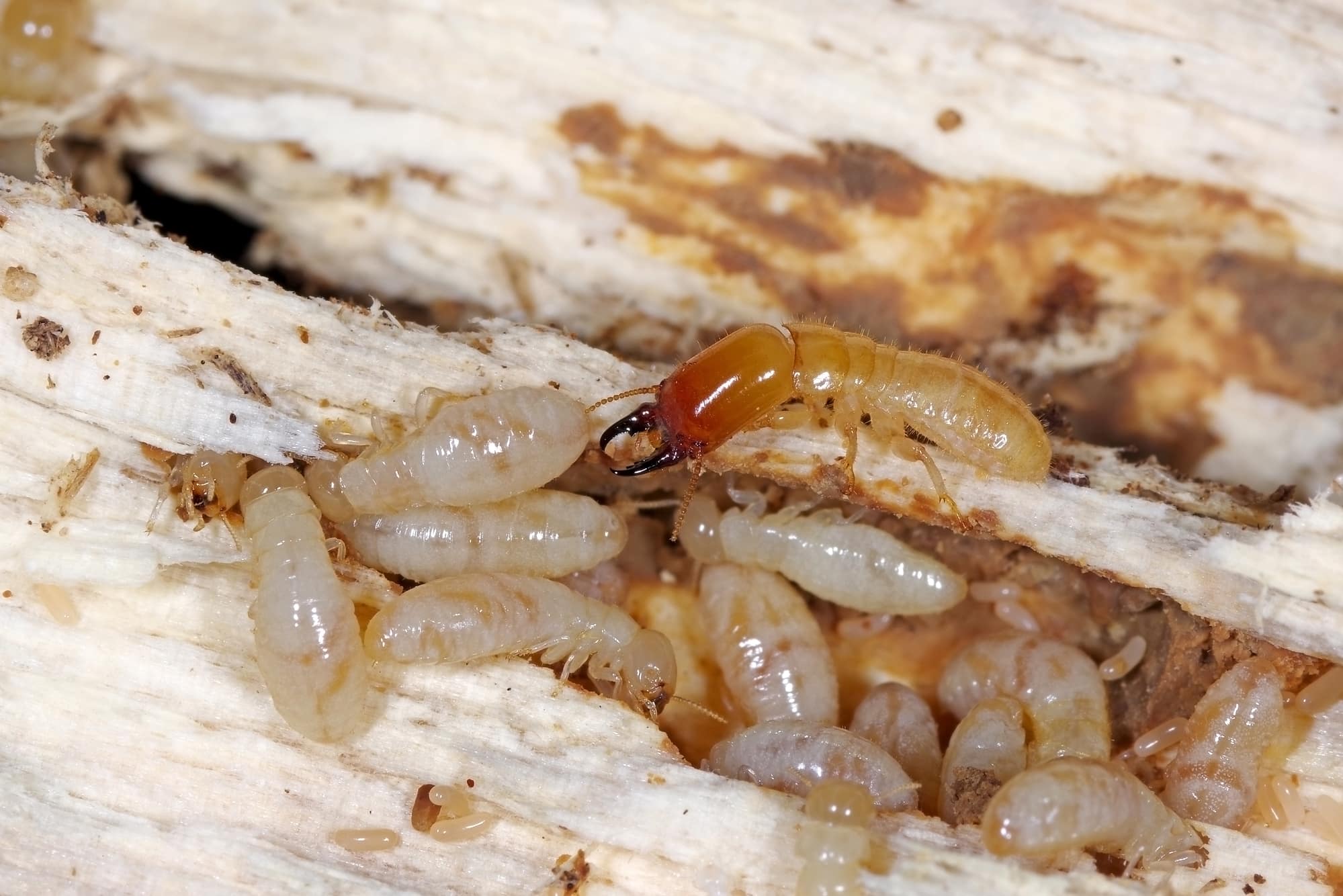
Wood damage can worry any homeowner, especially when trim, flooring, framing, or exposed beams begin to look soft, cracked, hollow, or weakened. Two common concerns are termite damage and dry rot. They can sometimes appear similar, but they are caused by different problems and require different solutions. Termites are wood-destroying insects that feed on cellulose, while dry rot is fungal decay that develops when wood has the right moisture conditions.
The difference matters because treating the wrong issue can leave the real source active. Termite control should begin with inspection, not assumptions. A professional review can determine whether the damage points to drywood termites, subterranean termites, moisture-related decay, or a combination of conditions. For homeowners, knowing the basic signs can help explain why quick identification is so important.

Termite Damage Has Pest-Related Clues
Termite damage is often hidden until the colony has already been active for some time. Termites may move through wall voids, crawl spaces, trim, subfloors, or structural wood without being noticed. Some species leave visible signs, while others remain concealed behind paint, drywall, or finished surfaces.
- Hollow-sounding wood can suggest internal feeding.
- Mud tubes may point to subterranean termite movement.
- Small kick-out holes or pellets can indicate drywood termite activity.
- Discarded wings may appear near windows, doors, or light sources.
These clues show why inspection matters. A surface crack or weak board may not tell the full story. Technicians look for pest evidence, moisture conditions, wood contact, and hidden access points before recommending a treatment plan.
Dry Rot Starts With Moisture Conditions
Dry rot is not caused by insects. It develops when fungi break down wood fibers, often after prolonged moisture exposure. Despite the name, dry rot usually begins because the wood was wet or poorly ventilated at some point. Leaks, drainage problems, damp crawl spaces, poor airflow, and exterior wood exposure can all contribute.
Dry rot may leave wood looking brittle, cracked, shrunken, or cubed. It may also create musty odors or discoloration. Unlike termite damage, it will not produce mud tubes, swarmers, discarded wings, or termite pellets.
Weather and seasonal conditions can make wood problems easier to miss. A guide on summer termite pressure is useful because heat, moisture, and seasonal activity can increase the need for careful inspection. In many homes, moisture can support both wood decay and termite risk, which is why diagnosis should be specific.
The Damage Pattern Can Tell A Story
The way damaged wood looks can provide helpful clues. Termites usually damage wood from the inside or along protected paths, while dry rot weakens wood as fungal decay spreads through moisture-affected areas. Still, the two can overlap visually, especially when damage is advanced.
- Termite galleries may follow the grain and contain soil, frass, or hollow channels.
- Dry rot often creates cracking, shrinkage, and block-like wood separation.
- Termite activity may appear near foundations, framing, decks, or attic wood.
- Dry rot is often linked to leaks, poor ventilation, or exposed exterior areas.
A homeowner may notice sagging trim, soft spots, blistered paint, or damaged wood and assume the cause. Professional inspection helps separate pest damage from decay and identifies whether the wood is still vulnerable to future problems.
Treatment Depends On The Cause
Termite treatment and dry rot repair are not interchangeable. If termites are active, the priority is locating the colony, identifying the termite type, and choosing the proper treatment method. Services may include termite inspection, tenting, foam treatment, soil treatment, or borate treatment depending on the structure, infestation, and risk level.
If dry rot is the issue, the moisture source must be corrected, and damaged wood may need repair or replacement. When both termite activity and wood decay are present, the plan should address both the pest and the condition that made the area vulnerable.
A guide on treatment timing helps homeowners understand why results depend on the method used and the level of activity found. A careful plan is more reliable than a one-time reaction to visible damage.
Inspection Protects Long-Term Value
Wood-damage concerns should never be judged by appearance alone. Termites can keep feeding where damage is not visible, while dry rot can continue if moisture remains unresolved. Routine inspection protects the home by identifying the cause, the extent of the damage, and the best next step.
- Request inspection when wood sounds hollow, feels soft, or shows unusual cracking.
- Watch for wings, pellets, mud tubes, bubbling paint, or repeated moisture stains.
- Review crawl spaces, attics, decks, garages, and exterior trim regularly.
- Use professional evaluation before deciding whether treatment, repair, or both are needed.
Termite control is most effective when it is based on evidence. By comparing pest signs, moisture clues, and damage patterns, homeowners can avoid delays and make more informed decisions about protecting their property.
Know What Is Damaging Your Wood
For termite inspection, accurate wood-damage evaluation, targeted treatment options, and prevention guidance that helps clarify whether the issue is termite activity, moisture-related decay, or both, contact Elite1 Termite Control, Inc. for professional support before damage becomes harder to manage.