
How Termite Inspections Save Thousands in Repairs
Termite damage is expensive because it often develops where homeowners cannot see it. Drywood and subterranean termites can work inside wood, wall voids, crawl spaces, attics, trim, framing, and other hidden structural areas long before visible signs appear. By the time damaged wood sounds hollow, paint bubbles, or mud tubes appear, repair costs may already be growing.
A professional termite inspection helps reduce that risk by finding warning signs early. It gives property owners a clearer understanding of activity, damage, moisture conditions, and vulnerable areas before small problems become major structural expenses. Strong termite control begins with information, and inspections provide the foundation for making the right decision at the right time.
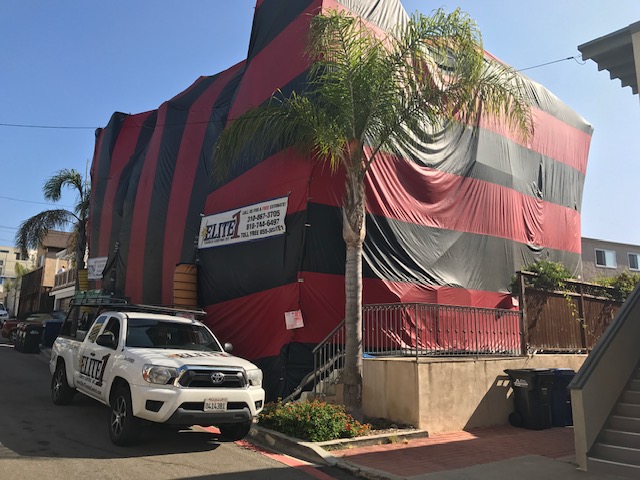
Early inspections catch damage before it spreads
Termites do not need open exposure to cause trouble. Drywood termites can live inside wood, while subterranean termites often travel from soil into structures through protected pathways. Their hidden movement is what makes inspections so valuable. A trained inspection looks beyond the surface and checks the areas where termite activity is most likely to begin or continue.
For many homes, the cost difference between early detection and delayed action can be significant. A small area of activity may require focused treatment and monitoring. A long-running infestation can involve damaged framing, trim, flooring, built-ins, decks, or other wood components that are far more expensive to repair.
- Attics: Inspectors can check rafters, beams, eaves, stored wood, and roofline areas for subtle activity.
- Crawl spaces: Moisture, wood contact, and limited visibility can make these areas high-risk zones.
- Foundations: Mud tubes, cracks, and soil-to-wood conditions may point to subterranean termite movement.
- Interior trim: Baseboards, window frames, door casings, and paneling can show quiet warning signs.
This is why timing matters. A helpful guide on inspection timing explains why annual or more frequent evaluations may be recommended depending on property age, prior activity, and termite pressure.
Inspections reveal risk factors, not just active termites
A termite inspection is not only about confirming whether termites are present. It also identifies conditions that can make future activity more likely. Moisture, wood debris, landscaping contact, aging materials, foundation gaps, damaged eaves, and poor ventilation can all increase risk.
This broader view helps homeowners prevent expensive surprises. When risk factors are found early, they can be addressed before termites have better access or more favorable conditions. This may save money by reducing the chance of widespread damage and helping future treatments perform more effectively.
- Moisture: Leaks, poor drainage, wet crawl spaces, and irrigation overspray can make wood more vulnerable.
- Wood contact: Deck posts, fences, stored lumber, and siding that touches soil may increase termite access.
- Cracks: Foundation openings, utility penetrations, and gaps around exterior materials can create pathways.
- Debris: Old stumps, buried wood, cardboard, and cellulose materials can support termite interest near structures.
For homeowners reviewing exterior conditions, this resource on termite risk factors explains how everyday property details can contribute to infestation risk.
Professional findings guide the right treatment plan
Not every termite concern needs the same response. Treatment depends on termite type, activity location, infestation extent, structural access, and property conditions. Some situations may call for localized treatment. Others may require more comprehensive termite treatment, fumigation, soil treatment, borate applications, or ongoing monitoring. Without a proper inspection, it is easy to underestimate the issue or choose a method that does not match the problem.
Professional findings help avoid wasteful decisions. A clear inspection report can separate old evidence from active activity, visible damage from hidden risk, and isolated concerns from larger patterns. That level of detail is essential when repairs, real estate transactions, or long-term property protection are involved.
- Identification: Drywood and subterranean termites require different treatment strategies.
- Scope: Inspectors evaluate whether the activity is localized, widespread, active, or historical.
- Access: Treatment planning depends on where termites are located and what areas can be reached.
- Documentation: Inspection notes help owners understand next steps and repair priorities.
Prevention saves more than emergency repairs
The biggest financial value of inspections is prevention. Repairing termite damage can involve contractors, carpenters, painters, flooring specialists, and structural professionals. Costs rise when damage spreads unnoticed through multiple rooms or support areas. Inspection costs are far easier to manage than major repairs that could have been limited with earlier discovery.
Regular inspections also support long-term termite control because they create a record of the property’s condition. Over time, professionals can compare findings, watch previously treated areas, and spot new vulnerabilities. This is especially important for older homes, properties with past termite activity, or structures surrounded by mature landscaping and moisture-prone areas.
A well-timed inspection does more than answer one question. It gives homeowners direction, confidence, and a chance to respond before termites create larger financial strain.
Protect Your Property Before Damage Grows
Termite inspections can help protect the wood, value, and stability of a property by turning hidden concerns into clear next steps. For careful inspections, thoughtful treatment planning, and dependable termite-focused protection, contact Elite1 Termite Control, Inc.