
Termite treatments work best when they match the termite species, structure, soil conditions, and location of activity. Foam and soil barrier treatments are often discussed together because both can play important roles in termite control, but they solve different problems. Foam is commonly used for targeted, hard-to-reach areas. Soil barriers are designed to address subterranean termite movement around foundations, soil contact, and access routes.
Choosing between them should begin with inspection, not preference. Termites may be drywood, subterranean, localized, widespread, active, or historical. A wall void with drywood termite evidence does not need the same approach as a foundation edge with mud tubes. Professional evaluation helps determine whether foam, soil treatment, borates, tenting, precision injection, cellulose removal, or a combined plan is appropriate.
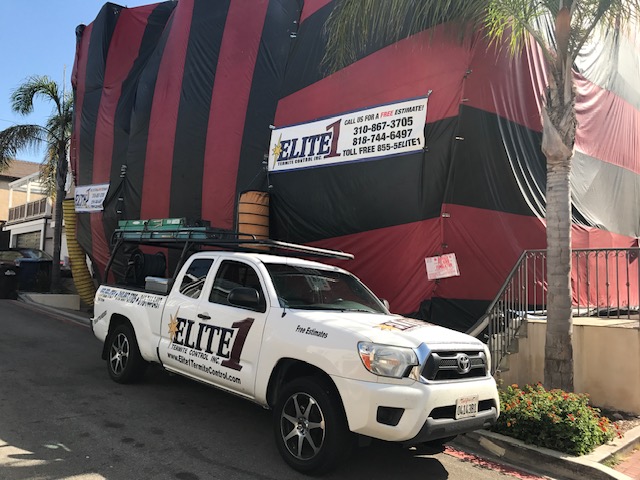
Foam Treatment Targets Hidden Wood Activity
Foam treatment is often used when termites are active inside specific voids, galleries, or structural spaces that are difficult to reach with standard surface methods. The foam expands into cracks, wall voids, wood channels, and other concealed areas, helping carry treatment closer to the activity.
Foam treatment may be considered when:
- Activity appears localized within wall voids, beams, trim, or framing
- Drywood termite signs are found in accessible but hidden wood areas
- Precision treatment is preferred over broad treatment for a contained issue
- The structure has voids where liquid placement alone may not spread evenly
- Inspection findings show a clear target area rather than whole-house activity
The main advantage is accuracy. Foam can help reach spaces where termites are feeding without treating unrelated areas. The limitation is that foam depends on proper access, correct placement, and accurate identification of the active zone. If the infestation is larger than expected, foam alone may not provide enough coverage.
Soil Barriers Address Subterranean Movement
Soil barrier treatment focuses on termites that travel from the ground into the structure. Subterranean termites rely on soil moisture and protected routes, often using mud tubes, cracks, foundation edges, or wood-to-soil contact. A soil barrier is designed to treat the access zone around the structure so termites encounter the treatment as they move between soil and wood.
A soil-focused plan may review:
- Foundation edges, crawl spaces, slab joints, and expansion gaps
- Mud tubes, soil contact, moisture, and wood debris near the structure
- Porches, patios, garages, and areas where soil meets construction
- Drainage, irrigation, mulch depth, and landscaping close to walls
- Pre-construction needs where soil treatment can be planned before building
Soil barriers are especially valuable when activity is connected to ground access. They are not the same as foam because the target is the termite route, not a specific wall void. When new construction is involved, other preventive options may also matter. This overview of borate protection shows how wood-focused prevention can support termite planning before materials are fully enclosed.
Comparing Strengths, Limits, And Best Uses
Foam and soil barrier treatments both have value, but they should not be treated as interchangeable. Their strengths depend on where termites are found and how they are reaching the structure.
Important comparisons include:
- Foam is useful for localized hidden spaces, while soil treatment focuses on ground-based access
- Foam depends on reaching the right void, while soil barriers depend on proper perimeter coverage
- Foam may support precision work, while soil barriers may support broader foundation protection
- Foam may fit drywood activity, while soil barriers are commonly tied to subterranean pressure
- Both methods require inspection, documentation, and follow-up to confirm results
A professional termite plan may use one method or combine several. Foam, soil treatments, borates, tenting, precision injection, cellulose removal, and inspections each fit different situations. The best choice is the one supported by evidence from the property.
Inspection Determines The Right Treatment Path
Termite activity changes with structure, moisture, weather, and season. Southern California properties may face different risks depending on coastal moisture, hillside drainage, older wood, crawl-space access, landscaping, or construction details. Summer can increase visibility because swarming, moisture shifts, and active feeding signs may become easier to notice. A closer look at summer termite risk explains why warm-season activity should not be dismissed as a minor nuisance.
Professional inspection helps answer several questions. Is the activity drywood or subterranean? Is it active or old? Is it limited to one area or present in several structural zones? Are there moisture, cellulose debris, or soil-contact conditions supporting the problem? Those answers guide treatment selection.
This is why foam versus soil barrier treatment is not a simple better-or-worse decision. Foam can be efficient when the problem is localized and reachable. Soil barriers can be essential when termites are moving from the ground. Borates may help protect exposed wood. Tenting may be considered for severe or widespread drywood activity. Ongoing inspections can help confirm whether the plan remains effective.
Choose Protection Based On Evidence
Termite treatment should be matched to the structure, termite type, and activity pattern. For professional termite control, termite inspection, foam treatment, soil treatment, borate treatments, tenting, precision injection, cellulose removal, preventative treatments, pre-construction treatment, and long-term protection planning, contact Elite1 Termite Control, Inc.
