
How Landscaping Can Increase Termite Risk
Landscaping shapes curb appeal, shade, drainage, and outdoor comfort, but it can also influence how easily termites reach a structure. Subterranean termites depend on soil and moisture, while drywood termites can establish colonies inside exposed or weathered wood. When planting beds, irrigation, mulch, fencing, or stored lumber are placed without enough separation from the building, hidden access may become easier.
Effective termite prevention begins with understanding how outdoor design affects foundations, siding, eaves, decks, and structural wood. A well-maintained yard is not automatically low-risk. Plant placement, water direction, and visible foundation space all matter. Professional inspection connects these conditions with termite biology before hidden damage spreads.
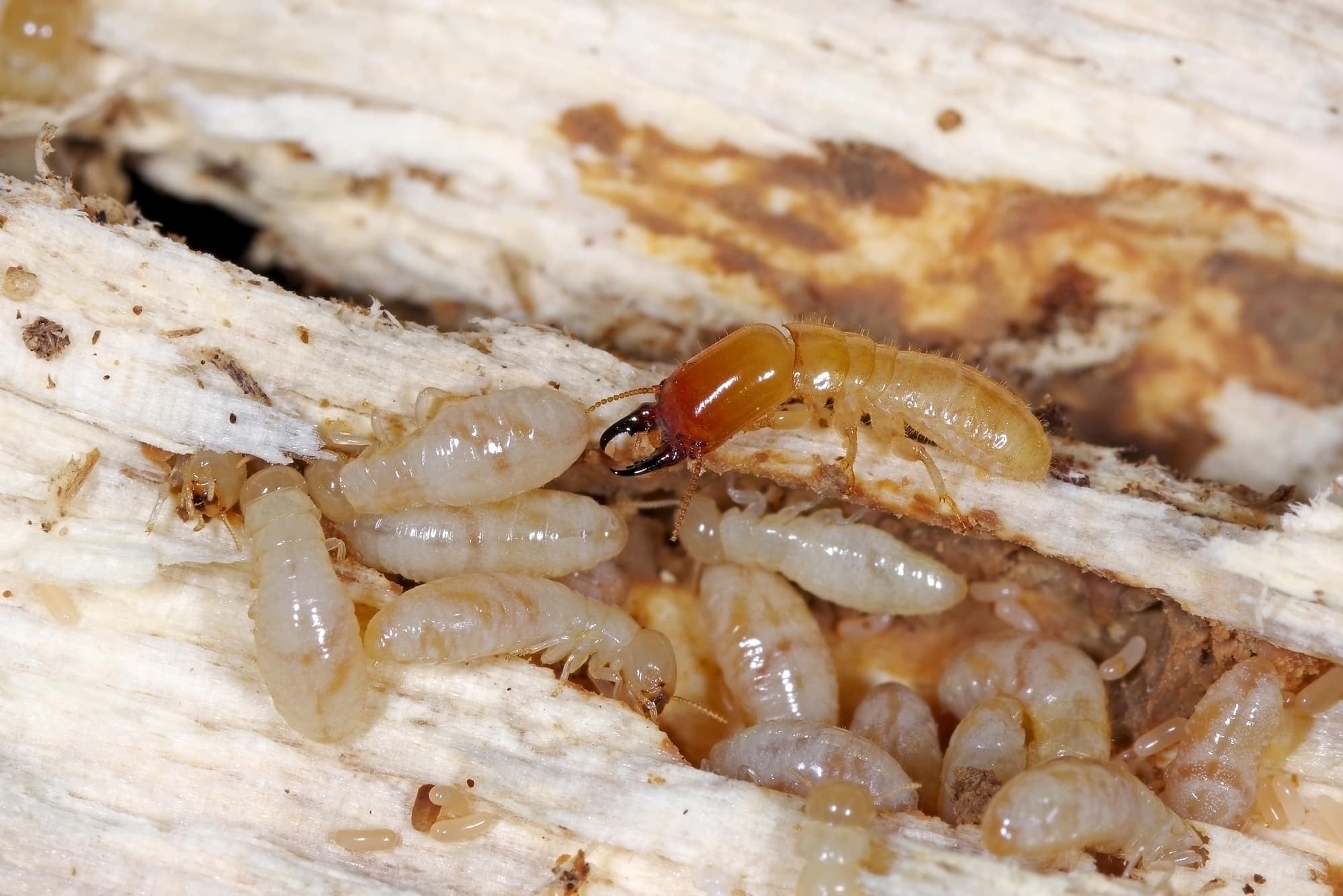
Moisture-Rich Landscaping Can Support Termite Activity
Termites need suitable moisture conditions, particularly subterranean species that travel between soil and wood. Irrigation aimed toward the building, clogged drainage zones, leaking hose connections, and heavily shaded beds may keep soil damp beside the foundation. Moisture can also contribute to wood decay, making some materials easier for termites to enter.
Conditions worth evaluating include:
- Sprinklers that repeatedly wet siding, posts, or foundation edges
- Drip lines placed too close to structural wood
- Dense plants that slow evaporation and limit airflow
- Low areas where rainwater or irrigation collects
- Leaking outdoor faucets, pipes, or landscape fixtures
Correcting moisture does not remove an established colony, but it reduces a condition that can support activity. A technician can distinguish ordinary dampness from signs linked to mud tubes, damaged wood, or active entry routes.
Mulch And Wood Contact Can Hide Entry Points
Mulch supports soil health and temperature control, yet deep layers placed against the structure can conceal foundation edges and retain moisture. Wood borders, railroad ties, trellises, fence posts, planter boxes, and stacked firewood may create additional soil-to-wood contact. These materials can provide shelter or obscure the route termites use to approach the building.
The value of early termite inspections becomes clear when landscaping blocks access to critical areas. Inspectors need to see foundation lines, exterior wood, crawl-space openings, and other vulnerable points. Hidden damage may continue long before flooring, trim, framing, or wall surfaces show obvious changes.
Visible separation between soil, mulch, and structural materials makes inspection easier and helps new mud tubes, wood deterioration, or discarded wings stand out sooner.
Dense Growth Can Conceal Structural Warning Signs
Shrubs, vines, ground cover, and tree branches can improve privacy and appearance, but growth pressed against the building may hide evidence and make inspection difficult. Plants can cover cracks, vents, siding joints, fascia boards, and lower wall sections. Branches that touch rooflines may also trap debris and moisture near exposed wood.
A lower-risk landscape plan considers:
- Clear access around foundation walls and crawl-space vents
- Pruned shrubs that do not press against siding or trim
- Vines kept away from vulnerable exterior wood
- Tree limbs separated from eaves, roofs, and fascia boards
- Ground cover maintained so soil edges remain visible
These adjustments support termite prevention without creating a bare landscape. The goal is visibility, airflow, and inspection access.
Yard Materials Can Carry Or Attract Hidden Risk
Landscaping projects often introduce lumber, decorative wood, tree stumps, cardboard, soil, or salvaged materials. Untreated wood left on soil can become a feeding source, while old stumps and buried roots may support subterranean activity away from immediate view. Drywood termites may also be transported inside infested wood items.
Guidance on reducing termite risks reinforces the importance of reviewing moisture, wood contact, structural gaps, and hidden exterior conditions together. One risk factor may not indicate infestation, but several overlapping conditions can make a property more vulnerable.
Professionals may look for:
- Firewood or lumber stored directly against the building
- Dead roots, stumps, and buried wood near foundations
- Wooden planters touching siding or structural posts
- Fences, decks, or trellises with soil-level deterioration
- Construction scraps left beneath landscaping or crawl spaces
Material should not be moved carelessly when termite activity is suspected. Inspection can determine whether the concern involves subterranean termites, drywood termites, decay, or another wood-related condition.
Ongoing Inspection Keeps Landscaping From Becoming A Blind Spot
Landscapes change over time. Plants grow, irrigation shifts, mulch accumulates, drainage patterns change, and wooden features age. A property that had clear foundation access one season may become difficult to inspect later. Termite prevention therefore works best as an ongoing process rather than a one-time cleanup.
Professional evaluations examine the interior and exterior for termite evidence, moisture, wood contact, damaged materials, and concealed entry conditions. Findings help determine whether monitoring, localized foam treatment, soil treatment, borate application, heat treatment, or whole-structure tenting is appropriate. The method should match the termite species, infestation extent, and construction of the property.
Routine inspections also establish a useful record. Technicians can compare previous findings with new moisture, fresh mud tubes, frass, weakened wood, or swarm evidence. This helps separate old damage from current activity and keeps recommendations focused.
Landscaping should enhance the property without shielding termite access. Spacing, moisture control, visible foundations, and professional inspection create long-term defense while preserving yard function and appearance.
Protect More Than The View From Your Yard
Contact Elite1 Termite Control, Inc. for inspections, property-specific termite prevention, and treatment recommendations based on confirmed activity.