
How Termites Can Be a Big Problem in the Summer
Summer can make termite concerns harder to ignore. Warm soil, dry wood, irrigation, shaded crawl areas, and seasonal home projects can all create conditions that support termite movement. In many homes, the problem does not begin with dramatic damage. It begins with subtle clues, such as discarded wings, tiny pellets, soft trim, mud tubes, blistered surfaces, or wood that sounds hollow when tapped.
Termite control becomes especially important during summer because activity may continue behind walls, under floors, inside attic framing, or near foundation edges while the home still looks normal from the outside. Termites do not need open access to living spaces to create expensive structural concerns. They only need a path to wood and enough time to keep feeding. That quiet pattern is why summer inspections can protect both comfort and property value.
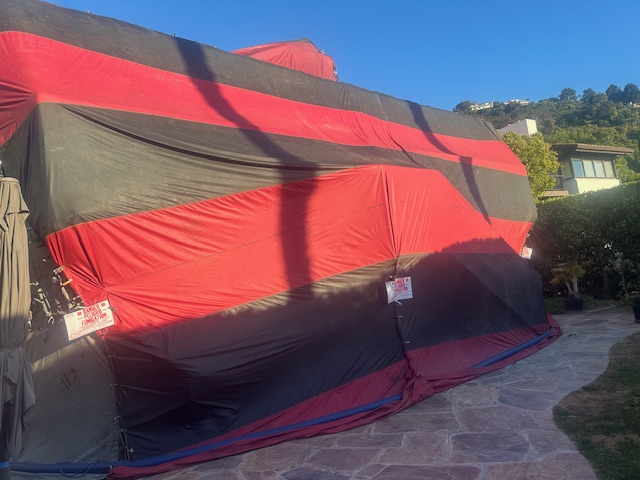
Summer Conditions Can Increase Termite Pressure
Termites respond to moisture, warmth, shelter, and wood access. Summer often brings those factors together, especially around homes with irrigation, landscaping, wood-to-soil contact, stored lumber, or aging exterior trim. Even when a home appears well-maintained, small conditions can invite activity.
- Heat can increase termite movement when colonies are already active near the structure.
- Irrigation can keep soil damp along foundations, planters, and shaded walls.
- Wood debris can attract termites when stored near crawl spaces, fences, or garages.
- Cracks and utility gaps can give termites hidden routes into vulnerable areas.
- Attic and subfloor wood can remain exposed when earlier activity was never inspected.
The challenge is that summer damage is not always visible right away. Drywood termites may stay inside wood, while subterranean termites may travel through soil and concealed access points. A professional inspection can help determine whether the concern involves current activity, old damage, or conditions that may increase future risk.
One Property May Need A Different Treatment Plan Than Another
No two termite issues are exactly alike. The right plan depends on the termite species, the location of activity, the severity of damage, the structure’s layout, and the areas that can be accessed safely. A small, isolated drywood concern may not call for the same response as widespread activity in multiple parts of a home.
- Localized treatment may be appropriate when the activity is limited and accessible.
- Fumigation may be considered when drywood termites are active in multiple structural zones.
- Soil treatment may help address subterranean termite pressure around the property.
- Borate applications can support wood protection during renovation or exposed-framing work.
- Follow-up inspections help confirm whether activity has declined or needs further review.
This is why a customized approach matters. Homeowners can learn more about customized termite plans when trying to understand why inspection findings should guide the treatment method. Termite work is most effective when it matches the home, not a generic checklist.
Summer Home Projects Can Expose Hidden Risk
Summer is also renovation season for many homeowners. Deck repairs, attic work, crawl-space updates, garage improvements, and exterior painting can reveal wood damage that was previously covered. Sometimes the first sign of termites appears when damaged trim is removed or framing is opened.
That discovery should be taken seriously. Visible damage may be only one part of the issue, especially if termites have been feeding inside hidden areas. Replacing damaged wood without confirming whether the activity is active can leave the structure exposed to the same problem again.
A professional review can separate termite damage from dry rot, moisture wear, or aging wood. It can also identify whether treatment should happen before repairs are finished. That timing matters because closed walls, finished trim, and covered framing may limit access later. When termite concerns are found during summer projects, inspection should come before cosmetic repair.
Prevention Helps Reduce Future Termite Pressure
Termite prevention is not about guessing. It is about lowering the conditions that make a home easier for termites to reach. Summer is a useful time to review exterior conditions because irrigation, plant growth, outdoor storage, and home maintenance are all easier to observe.
- Keep wood, cardboard, and debris away from foundation edges and crawl-space access.
- Reduce wood-to-soil contact around fences, steps, siding, posts, and stored materials.
- Review irrigation patterns so soil does not stay overly damp beside the structure.
- Watch for discarded wings, pellets, mud tubes, blistering, or unexplained wood softness.
- Schedule inspections when damage, moisture, or previous termite history creates concern.
A stronger prevention plan connects daily property conditions with long-term structural protection. This resource on termite risk factors explains why moisture, wood access, and exterior conditions deserve regular attention. Summer makes those details more visible, but they matter throughout the year.
Protect Your Home Before Termites Go Deeper
Termites can become a major summer problem when warmth, wood access, moisture, and hidden entry routes line up. For inspection, treatment planning, localized service, fumigation, soil treatment, borate applications, and long-term termite protection, contact Elite1 Termite Control, Inc. for professional services.