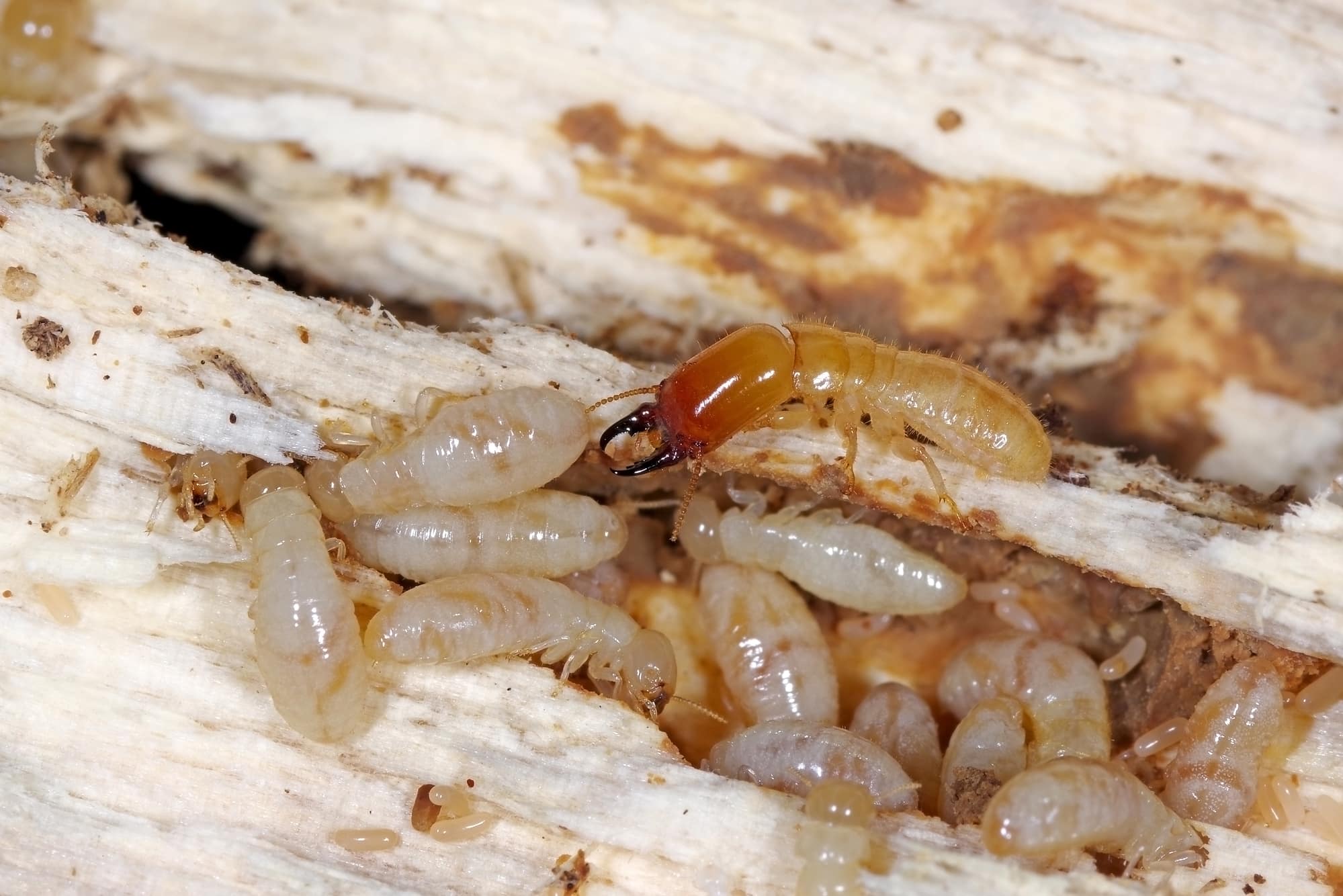
Termites rarely stay in one place for long once they gain access to a structure. What often begins as hidden activity near a foundation or moisture-prone area can gradually expand into walls, flooring, ceilings, and support beams throughout the property.
One reason termite infestations become so serious is the way colonies spread quietly behind the scenes. Homeowners may not notice visible warning signs until structural damage has already developed inside concealed areas. By the time bubbling paint, hollow wood, or weakened flooring appear, termites may have already expanded through multiple sections of the home.
Understanding how colonies spread inside residential structures can help property owners recognize why early termite control inspections and preventive strategies remain important for long-term protection.
Why Residential Structures Attract Termites
Termites survive by feeding on cellulose materials commonly found in wood, drywall, paper, and other structural components inside homes. Once moisture and shelter become available, colonies may continue expanding through hidden pathways inside the structure.
Several conditions often increase termite activity around residential properties:
- Moisture supports termite survival. Damp areas often attract long-term colony activity
- Wood-to-soil contact creates access points. Direct contact may allow easier structural entry
- Foundation gaps increase exposure risks. Small openings may provide hidden access indoors
- Poor ventilation affects structural conditions. Humid crawl spaces may support infestations
- Untreated wood becomes vulnerable over time. Termites frequently target weakened materials
Subterranean termites commonly enter through soil near foundations, while drywood termites may spread directly through wooden structures. Once activity begins indoors, colonies often expand gradually through hidden spaces where conditions remain stable.
Because termite movement frequently happens behind walls and beneath flooring, infestations may continue growing long before visible signs appear.
How Termite Colonies Spread Indoors
Termites spread through residential structures by following moisture, food sources, and protected travel routes. Worker termites continuously search for additional cellulose materials while expanding tunnels deeper into the property.
Colonies often remain connected through hidden galleries and mud tubes that allow termites to move safely between feeding areas.
Several structural conditions may contribute to spreading activity:
- Wall voids provide hidden travel routes. Termites often expand unnoticed behind surfaces
- Support beams offer continuous food sources. Structural wood allows colonies to spread steadily
- Flooring systems retain moisture pockets. Damp conditions may encourage further activity
- Utility openings create concealed access. Plumbing and wiring gaps may connect infestation areas
- Attic spaces sometimes support expansion. Warm sheltered environments may increase termite movement
As colonies grow, termites may spread into additional rooms without immediately creating visible exterior signs. This gradual expansion is one reason professional inspections often focus on hidden structural conditions instead of surface damage alone.
Homeowners monitoring active infestations may also wonder how quickly treatment begins reducing colony activity. Reviewing these termite treatment timelines can provide additional insight into how treatment progress is typically evaluated.
Common Signs That Colonies Are Expanding
Because termites remain hidden most of the time, structural warning signs often become the clearest indication that colonies are spreading indoors.
Several visible conditions may point toward expanding termite activity:
- Hollow-sounding wood may indicate feeding damage. Structural materials weaken as colonies grow
- Bubbling paint can signal hidden moisture. Termite activity often affects nearby surfaces
- Mud tubes may appear near foundations. Subterranean termites use protected travel pathways
- Tight doors and windows suggest structural shifting. Damage may affect framing stability
- Discarded wings often indicate swarming activity. Reproductive termites may establish new colonies
The appearance of even minor warning signs should never be ignored because termites may continue spreading long after initial damage becomes visible.
Larger infestations often involve multiple hidden feeding areas throughout the structure, which is why partial treatment may not fully address the extent of the problem.
Why Ongoing Inspections Matter
One-time inspections may identify current termite activity, but long-term protection usually depends on continued monitoring because structural conditions can change over time.
Moisture problems, landscaping changes, soil movement, and aging construction materials may gradually increase future termite risks around residential properties.
Several reasons make regular inspections important:
- Hidden infestations develop quietly. Early detection may reduce structural damage
- Environmental conditions shift over time. Moisture changes may increase termite attraction
- New access points may appear gradually. Structural settling can create hidden openings
- Swarming seasons increase colony activity. Reproductive termites may establish new infestations
- Long-term monitoring supports prevention. Routine evaluations help identify emerging concerns
Professional termite control inspections often focus on crawl spaces, foundations, attic areas, utility penetrations, and other vulnerable sections where colonies commonly spread unnoticed.
Homeowners looking to maintain stronger long-term protection may also benefit from reviewing these inspection frequency guidelines when planning preventive maintenance strategies.
Why Early Termite Control Makes A Difference
Termite colonies rarely remain isolated once favorable conditions develop inside a structure. Given enough time, hidden activity may continue spreading through support systems, flooring, walls, and wooden framing materials throughout the home.
That is why early termite control remains one of the most important factors in reducing long-term structural damage. Identifying colonies before widespread expansion occurs often allows treatment plans to become more focused, efficient, and protective over time.
Protecting Your Home From Hidden Structural Damage
Professional inspections can help identify hidden termite activity before colonies spread further through residential structures. Contact Elite1 Termite Control, Inc. to learn more about long-term termite control and structural protection strategies.