
What to Expect During a Professional Termite Inspection
A professional termite inspection is designed to answer two important questions: whether termites are active and what conditions may allow them to threaten the property. Because drywood and subterranean termites can remain hidden inside wood, soil, attics, crawl spaces, and wall voids, visible damage is only part of the picture.
A thorough inspection gives homeowners a clearer understanding of current activity, past damage, moisture concerns, and practical termite prevention priorities. The process is systematic, non-destructive in most areas, and focused on gathering enough evidence to recommend the right next step. It also gives homeowners a practical baseline for comparing future changes in the structure and surrounding property.
The Inspection Starts With A Detailed Visual Assessment
The inspector typically begins by examining accessible interior and exterior areas where termite evidence is most likely to appear. Foundations, wood framing, trim, attics, crawl spaces, garages, and other structural transitions may all require attention.
Common signs inspectors look for include:
- Mud tubes along foundations or structural surfaces
- Pellet-like frass associated with drywood termites
- Discarded wings near windows, doors, or light sources
- Hollow-sounding or visibly weakened wood
- Blistered paint or unusual surface changes
- Moisture-damaged areas that may increase termite risk
These clues help determine whether activity appears current, old, localized, or more widespread. Early detection matters because the cost of delay can increase as hidden feeding continues and more structural materials become involved.
Inspectors Look Beyond The Obvious Damage
Termite activity is not always located where the first symptom appears. A damaged baseboard may be connected to activity inside a wall, while mud tubes near a foundation can indicate subterranean movement from the soil.
Professional inspectors consider how termite species behave and how the building is constructed. Drywood termites can live entirely inside wood, while subterranean termites depend on soil and moisture. Those differences affect where evidence is likely to be found and which treatment methods may eventually be appropriate.
An inspector may tap or probe suspicious wood, examine accessible framing, check areas around plumbing, and follow visible termite evidence toward likely sources. The goal is not simply to confirm that termites exist, but to understand how far activity may extend before treatment decisions are made.
Moisture And Landscaping Conditions Are Part Of The Evaluation
A termite inspection also considers conditions around the property that can increase future risk. Moisture, wood-to-soil contact, irrigation, mulch, stored lumber, and dense landscaping can all influence how easily termites approach a structure.
Inspectors may evaluate:
- Soil or mulch positioned against exterior wood
- Irrigation that repeatedly wets foundation areas
- Plumbing or drainage problems creating persistent moisture
- Tree stumps, wood debris, or stored lumber near the building
- Fencing or wooden features with soil contact
- Crawl-space areas with limited ventilation or dampness
Understanding landscaping risks is useful because treatment alone does not correct every condition that can support future activity. Termite prevention is stronger when structural treatment and property maintenance work together.
Findings Help Determine Which Treatment Fits The Property
After the inspection, the next step is interpreting the findings. Not every termite problem requires the same response. The appropriate method depends on the termite species, location of activity, extent of infestation, construction type, and accessibility of affected areas.
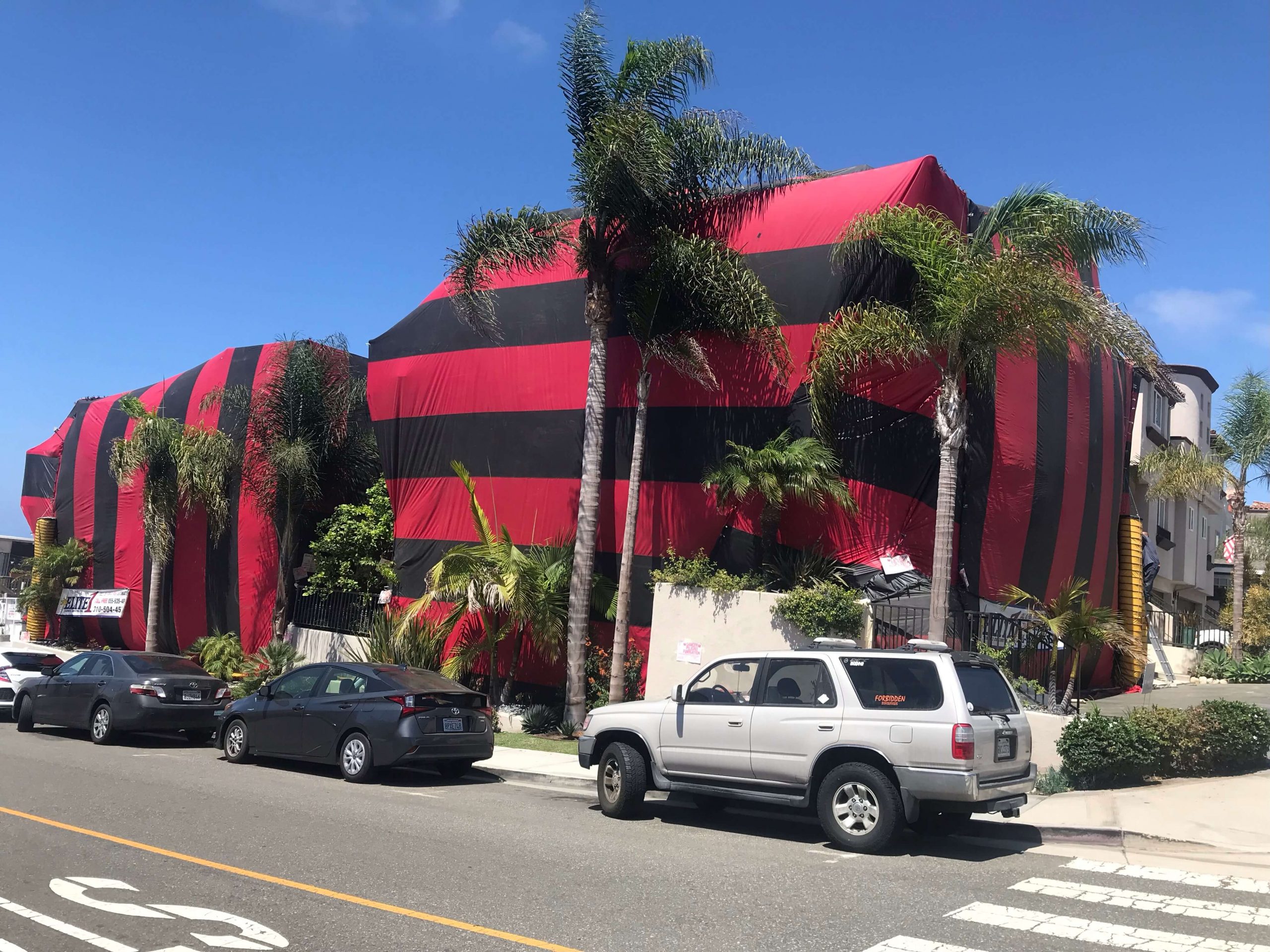
Localized drywood activity may be suited to foam or another targeted treatment, while subterranean termites may require soil treatment around vulnerable areas. Borate treatment can be useful for exposed wood in certain situations, and widespread drywood termite activity may call for whole-structure tenting.
This is why professional inspection comes before treatment. Applying a one-size-fits-all solution without understanding the source can leave concealed activity untreated or result in unnecessary work. A clear inspection report helps homeowners understand what was found, why a particular treatment is recommended, and whether follow-up should be part of the plan.
Follow-Up Turns Inspection Into Long-Term Termite Prevention
A termite inspection is most valuable when it becomes part of a longer protection strategy. Even after treatment, property conditions can change as landscaping grows, moisture problems develop, or new structural gaps appear.
A long-term approach may include:
- Monitoring previously active areas for new evidence
- Scheduling periodic inspections based on property risk
- Correcting moisture and drainage problems
- Reducing unnecessary wood-to-soil contact
- Checking repairs or remodeled areas for new vulnerabilities
- Following up after treatment to confirm activity has stopped
Routine inspections can catch new activity before obvious damage appears. They also create a useful record of where termites have been found, what treatment was completed, and which areas deserve closer attention in the future.
Professional termite prevention is not about assuming a property will never face termites again. It is about detecting changes early, understanding risk, and responding with the right method before hidden activity becomes more expensive to address.
Know What Is Happening Before Damage Spreads
If you suspect termite activity or want a clearer picture of your property’s risk, contact Elite1 Termite Control, Inc. for professional inspection, targeted treatment, and long-term termite prevention.