
The Real Cost of Ignoring Termite Damage Early
Termite damage rarely begins with an obvious structural failure. More often, activity develops quietly inside wood, wall voids, crawlspaces, attics, foundation areas, or other protected locations. By the time visible damage appears, termites may have been feeding for months or years.
Ignoring early activity can become expensive. Repairs and damage to hidden structural materials can increase as activity continues. Effective termite prevention focuses on early detection, risk reduction, and treatment before a small problem becomes a larger property concern.
Hidden Feeding Can Increase Repair Costs Quickly
Termites often consume wood from the inside while leaving the outer surface looking normal. A beam, trim board, floor section, or framing component may appear intact until pressure reveals weakness or the material is opened during repairs.
Ignoring early warning signs can lead to:
- Expanded damage inside framing and structural wood
- Additional repairs around flooring, trim, walls, or roof components
- More difficult access to concealed termite activity
- Higher labor costs when damaged materials require removal
- Delays when termite treatment must happen before reconstruction
- Greater uncertainty about how far the infestation has spread
Understanding basic termite behavior helps explain why visible evidence does not always show the full boundaries of an infestation. Colonies can remain concealed while workers continue feeding behind finished surfaces.
Delayed Treatment Can Allow Activity To Spread
Termite infestations do not remain limited to the first damaged board a homeowner notices. Drywood termites can occupy wood within the structure, while subterranean termites may move from soil into building materials through protected pathways.
As time passes, activity can extend into additional sections that require a broader treatment strategy. Localized activity may suit targeted foam, injection, borate, or another focused treatment. Widespread activity may require a broader response based on species, location, and severity.
This is why inspection matters before repairs begin. Removing damaged wood without first determining whether termites are still active can eliminate useful evidence and leave connected infestation areas untreated. A professional evaluation helps establish where activity is occurring and which treatment method matches the actual distribution.
Early Warning Signs Should Not Be Treated As Cosmetic Problems
Some termite clues are easy to dismiss because they resemble ordinary wear, moisture damage, or aging materials. However, recurring or unexplained changes deserve closer evaluation.
Watch for:
- Hollow-sounding or unusually soft wood
- Pellet-like frass beneath wooden areas
- Mud tubes along foundations, slabs, or walls
- Discarded wings near windows, doors, or light sources
- Bubbling paint or uneven wooden surfaces
- Small cracks, weakened trim, or damaged structural components
These signs do not all indicate the same termite species, which is another reason identification matters. Drywood and subterranean termites behave differently and may require different treatment approaches.
Professional inspection can distinguish current activity from old damage and determine whether the problem is localized or extends into less-visible parts of the building.
Property Conditions Can Keep Raising The Risk
Termite damage becomes more costly when conditions around a property continue supporting activity. Moisture, wood-to-soil contact, stored lumber, structural gaps, and poorly ventilated areas can all increase exposure.
Reducing termite risk factors is an important part of long-term protection because treatment alone does not correct every condition that makes a structure vulnerable.
Moisture from plumbing leaks, roof problems, irrigation, or poor drainage can create favorable areas near structural wood. Mulch, heavy vegetation, old stumps, wood debris, and stored cellulose materials may also make access easier. Even small construction gaps can provide concealed pathways.
Addressing these conditions does not replace termite treatment when an active infestation exists. Instead, risk reduction works alongside inspection and treatment to make future activity easier to detect and less likely to gain ground unnoticed.
Termite Prevention Protects More Than The Wood
Termite prevention helps avoid the chain of expenses that can follow prolonged hidden activity. Early inspection gives homeowners a chance to respond while treatment options may still be more focused and repair needs more limited.
A strong prevention plan may include:
- Regular inspections based on property risk and history
- Moisture correction around foundations and structural wood
- Removal of unnecessary wood-to-soil contact
- Monitoring for new swarmers, tubes, frass, or wood damage
- Treatment matched to termite species and infestation severity
- Follow-up evaluation after treatment or property changes
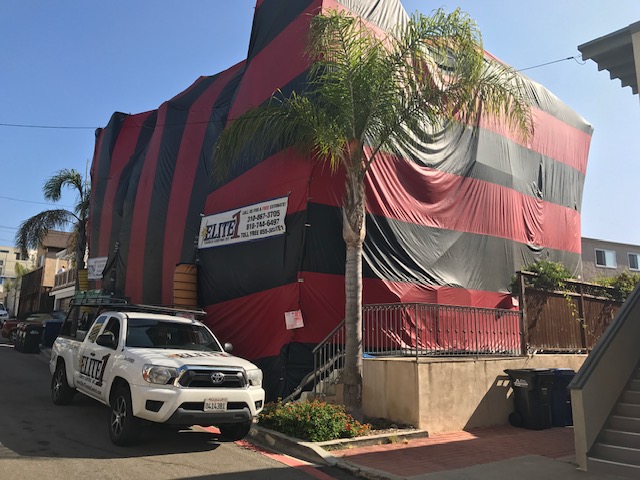
Depending on the findings, professional treatment may involve foam applications, soil treatments, borate treatments, localized methods, or whole-structure tenting when activity is widespread. The right choice depends on what inspection confirms, not simply on which method appears most convenient.
Termite prevention is ultimately about preserving options. When activity is found early, homeowners have more opportunity to address the source before hidden feeding expands, structural repairs become extensive, or treatment becomes more disruptive.
Waiting for obvious damage may seem less expensive in the short term, but termites rarely reward delay. Early professional evaluation provides the clearest picture of what is happening and what level of protection the structure needs.
Protect The Structure Before Costs Grow
If you have noticed possible termite activity or want to reduce future risk, contact Elite1 Termite Control, Inc. for professional inspection, targeted treatment, and long-term termite prevention.