
Why Store-Bought Sprays Won’t Stop Hidden Termites
Store-bought sprays can make homeowners feel as if they are responding quickly to a termite concern. A visible swarm, damaged trim, soft wood, or discarded wings may create pressure to act right away. The problem is that termites are rarely limited to what can be seen. Colonies may be active inside wall voids, attic framing, subfloors, crawl spaces, soil pathways, deck supports, or decorative wood features long before surface evidence appears.
Effective termite control depends on inspection, species identification, moisture review, structural access, and treatment selection. A surface spray may contact a few exposed insects, but it cannot confirm where termites are feeding, how far they have spread, or whether the colony is drywood, subterranean, or connected to hidden moisture and wood conditions. That is why sprays often create temporary reassurance while the real damage continues out of sight.
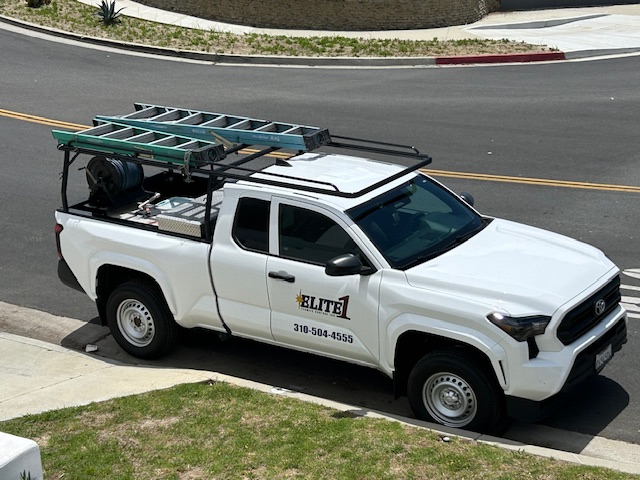
Hidden Termites Stay Beyond Surface Reach
Termites survive by staying protected. Drywood termites may live inside wood with limited visible openings. Subterranean termites often travel through soil or mud tubes to reach structural materials. In both cases, the active areas are commonly behind finished surfaces or within framing where a household spray cannot reach.
- Wall voids can hide galleries, feeding paths, and moisture-supported activity.
- Attics and eaves may hold drywood termite activity before damage is obvious.
- Crawl spaces and subfloors can conceal soil-related termite movement.
- Decorative wood, trim, and built-ins may show signs only after internal feeding grows.
A spray applied to visible areas does not map the infestation. Without a full inspection, homeowners may treat the symptom while missing the colony’s main location.
Risk Factors Must Be Found First
Termites are not attracted to every property in the same way. Moisture, wood-to-soil contact, cracks, landscaping, roofline damage, plumbing leaks, shaded areas, and older wood can all increase risk. Store-bought sprays do not address these conditions, so the cause of the infestation may remain in place.
A better starting point is understanding termite risk factors before choosing a response. Risk review helps explain why termites are present and where they may be gaining access. A home with damp crawl space conditions may need a different strategy from a property with drywood activity in attic framing or fascia boards.
Professional inspection connects visible warning signs with the structure’s vulnerabilities. That information is what turns treatment from a surface reaction into a property-specific plan.
Sprays Can Delay Real Protection
One hidden cost of store-bought sprays is delay. If the activity appears to slow, homeowners may believe the issue is handled. Meanwhile, termites can continue feeding in areas that were never reached. The longer the infestation remains active, the greater the chance of structural weakening, cosmetic damage, and more extensive treatment needs.
- Temporary knockdown can hide the true size of the infestation.
- Spot spraying may scatter attention away from the actual source.
- Missed moisture or access points can allow termites to continue spreading.
- Delayed inspection can turn a limited concern into a larger repair issue.
Termite problems are time-sensitive because wood damage is cumulative. Waiting for stronger evidence often means the infestation has had more time to expand.
Treatment Has To Match The Property
Termite service is not one-size-fits-all. Depending on the findings, a property may require inspection, termite tenting, foam treatment, soil treatment, borate treatment, or another targeted approach. Each option serves a different purpose. Foam may help reach hidden voids. Soil treatment may address subterranean access. Borate treatment may protect exposed wood during repair or renovation. Tenting may be recommended when activity is widespread or inaccessible.
A customized treatment plan matters because infestation type, property layout, moisture, wood condition, and access all influence the best method. Store-bought sprays cannot make those distinctions.
This is where professional judgment protects the home. The goal is not simply to apply product. The goal is to select the right method for the termite type, the structure, and the long-term risk.
Long-Term Control Requires Follow-Through
Even after treatment, termite protection requires follow-through. Properties may need monitoring, moisture correction, repair review, or annual inspection, especially in areas with coastal air, shaded landscaping, older construction, or previous termite history. Hidden activity can return if risk factors remain unmanaged.
- Schedule inspections when wings, pellets, mud tubes, or soft wood appear.
- Review attics, eaves, crawl spaces, decks, garages, and foundation areas.
- Ask for clear documentation of findings, treatment options, and next steps.
- Use professional follow-up to confirm whether the activity has been resolved.
Termite inspection, tenting, foam treatment, soil treatment, and borate treatment all depend on accurate evaluation. Store-bought sprays may seem convenient, but they do not provide the source identification, structural assessment, or long-term planning needed for hidden termites. A careful, inspection-based approach gives homeowners a clearer path to protecting wood, reducing damage risk, and choosing treatment that fits the actual condition of the property.
Protect the Wood You Cannot See
For termite control that looks beyond surface signs and considers inspection findings, hidden activity, risk factors, and the right treatment method for your property, contact Elite1 Termite Control, Inc. for professional support focused on long-term wood protection.