
Understanding Advanced Termite Monitoring Systems
Termites cause damage quietly and often invisibly, making early detection one of the most critical factors in protecting structures. Traditional treatment methods focus on addressing infestations after activity is discovered, but modern strategies emphasize prevention and early awareness. Advanced termite monitoring systems are designed to detect termite presence before structural damage becomes extensive, allowing informed decisions based on real conditions rather than assumptions.
Termite monitoring is not about reacting to visible destruction. It is about understanding termite behavior, tracking subtle changes over time, and identifying activity at the earliest possible stage. These systems support long-term protection by focusing on detection, evaluation, and strategic response rather than immediate chemical application.
How advanced termite monitoring systems work
Advanced termite monitoring systems rely on strategically placed stations that intercept termite foraging activity. These stations are positioned in areas where termites are most likely to travel while searching for food sources.
- Stations are installed around structures in targeted locations
- Monitoring materials attract termites without disturbing their behavior
- Regular inspections reveal activity before damage occurs
- Findings guide informed treatment decisions
Unlike reactive approaches, termite monitoring focuses on observation and data collection. Termites forage continuously, often moving through soil and concealed spaces long before entering structural wood. Monitoring systems take advantage of these natural behaviors by creating checkpoints that reveal activity patterns.
By identifying termite presence early, monitoring systems reduce the likelihood of surprise infestations and support more controlled, precise responses when intervention becomes necessary.
Why early detection matters for termite protection
Termites do not cause immediate, obvious damage. Infestations often develop slowly, spreading through hidden areas such as wall voids, foundations, and structural supports. By the time visible signs appear, damage may already be extensive.
- Early detection limits long-term structural impact.
- Monitoring reduces the need for broad, disruptive treatments
- Activity trends help predict future risk
- Documentation supports informed property decisions
Termite monitoring allows professionals to distinguish between isolated activity and widespread pressure. This distinction is critical, as not all termite findings require the same response. Monitoring data helps determine when preventative measures are sufficient and when active treatment is justified.
Understanding early warning indicators is especially important during seasonal shifts. Subtle changes in termite behavior often occur before environmental conditions trigger increased activity. Awareness of these indicators supports timely evaluation and response.
The role of seasonal termite behavior in monitoring
Termite activity is influenced by temperature, moisture, and seasonal environmental changes. Monitoring systems account for these fluctuations by providing ongoing insight rather than a one-time assessment.
- Seasonal moisture changes affect foraging depth.
- Temperature shifts influence movement patterns.
- Soil conditions alter access points.
- Winter activity often occurs deeper and less visibly
During cooler months, termites may move deeper into soil or structural areas while remaining active. Monitoring systems continue tracking this activity even when surface signs diminish. This ongoing insight explains why termite monitoring is valuable year-round rather than limited to peak seasons.
Recognizing seasonal indicators also helps property owners understand why monitoring remains important even when activity seems minimal. Guidance on recognizing winter-related changes can be found through resources discussing winter termite warning signs, which highlight how subtle indicators often precede more noticeable issues.
How monitoring supports targeted treatment decisions
One of the greatest advantages of advanced termite monitoring systems is their ability to inform precise treatment strategies. Rather than applying treatments broadly or unnecessarily, monitoring allows decisions to be based on confirmed activity.
- Treatments are applied only when needed.
- Targeted responses reduce environmental impact.
- Monitoring supports compliance with safety standards.
- Follow-up confirms effectiveness over time.
Monitoring systems also support long-term planning. When activity is detected early, professionals can determine whether localized intervention, preventative measures, or more comprehensive solutions are appropriate. This measured approach avoids overcorrection while still protecting structural integrity.
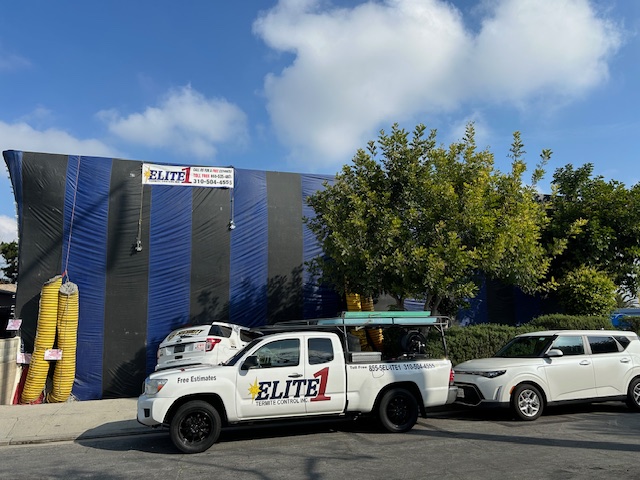
In some cases, monitoring findings may indicate the need for larger-scale measures. Understanding preparation requirements in advance is beneficial, which is why reviewing information on termite tenting preparation helps clarify how monitoring and treatment planning work together.
Why professional oversight strengthens termite monitoring
While monitoring systems are highly effective tools, their success depends on proper placement, interpretation, and follow-up. Professional oversight ensures that monitoring data is accurately assessed and used appropriately.
- Correct station placement maximizes detection accuracy.
- Regular inspections ensure reliable data collection
- Experience supports accurate interpretation of findings
- Integrated strategies address both current and future risk
Termite monitoring is not a standalone solution. It functions best as part of a broader protection strategy that includes inspection, evaluation, and informed decision-making. Professionals understand how termite species behave, how environmental conditions influence movement, and how monitoring results should guide next steps.
This expertise prevents misinterpretation of findings and reduces the risk of delayed or ineffective responses. Monitoring systems provide information, but professional judgment turns that information into effective protection.
Advanced termite monitoring systems represent a shift toward prevention, precision, and long-term thinking. By focusing on early detection and informed action, these systems help protect structures without unnecessary disruption.
Stay informed before damage starts.
We understand how termite monitoring supports early detection and smarter protection strategies. For professional guidance and reliable termite monitoring solutions, contact Elite1 Termite Control, Inc. so we can help safeguard your property with informed, proactive care.