Termite Inspection Before Buying a Home in Los Angeles: Complete Buyer’s Guide
I. Introduction
When purchasing a home in Los Angeles, a termite inspection is one of the most crucial steps you can take to protect your investment. Termites can silently destroy a home from within, feeding on wood and other materials long before the damage becomes visible. Detecting termite activity early can mean the difference between affordable repairs and severe structural loss.
Los Angeles faces one of the highest termite risks in California because of its warm weather, mild winters, and abundance of wooden housing. Both subterranean and drywood termites thrive here, and their activity peaks during certain times of the year. Understanding seasonal behavior helps buyers make better decisions. During the fall termite swarming season, for example, swarmers emerge to start new colonies, and knowing what to watch for can help prevent infestations.
From a financial and legal standpoint, many real estate transactions in California involve a termite or wood-destroying organism clause. Lenders such as FHA and VA often require a certified termite inspection report before final approval. Beyond compliance, a detailed inspection safeguards buyers from inheriting damage and helps identify potential risks before closing.
II. When and Why to Get Termite Inspections
Scheduling a termite inspection at the right time is one of the most effective ways to protect your home investment. Many buyers assume a general home inspection will catch pest problems, but that is rarely the case. A termite inspection focuses specifically on wood-destroying organisms and their entry points, making it an essential step before closing any real estate deal.
Optimal Timing During Escrow
The best time to request a termite inspection is during the escrow period, after the seller accepts your offer but before the transaction is finalized. This allows enough time for evaluation, negotiation, and treatment if needed.
Key timing considerations include:
- Before loan approval: Many lenders, especially FHA and VA, require a termite clearance before finalizing financing.
- After acceptance but before closing: Provides leverage to request repairs or credits if damage is found.
- Avoiding premature inspections: Scheduling too early can lead to outdated results if escrow takes longer than expected.
Why Termite Inspections Are Essential
Even a small colony can cause thousands of dollars in damage within months. Termite inspections identify both visible and hidden threats, ensuring that buyers fully understand the condition of the property.
Reasons to schedule a professional termite inspection include:
- Protection against hidden damage: Termites often feed inside walls, beams, and floors where damage is invisible.
- Negotiation power: A detailed report provides evidence for price reductions or seller-funded repairs.
- Compliance with lender requirements: Some mortgages will not close without a termite clearance letter.
- Peace of mind: Knowing your home is structurally sound helps prevent future financial strain.
- Early prevention: Even if no termites are present, inspectors can flag moisture, cracks, or soil conditions that could attract them later.
Who Should Be Responsible
Determining who handles the inspection and repairs depends on your real estate contract.
- Seller responsibility: In some cases, the seller must provide a current inspection report and repair active damage before closing.
- Buyer responsibility: Buyers often arrange a separate inspection to verify accuracy and gain an unbiased perspective.
- Shared agreements: In competitive markets, both parties may split the cost or agree to repair credits.
Insurance and Warranty Considerations
Since termite damage is usually excluded from homeowner’s insurance, an inspection report can help you decide whether to purchase an extended termite warranty or an ongoing protection plan. Regular inspections also provide documentation that may reduce long-term maintenance costs.
A timely, professional termite inspection ensures you make a confident and well-informed purchase. It protects against costly surprises and helps preserve the long-term integrity of your new home.
III. What Professional Inspectors Look For
Professional termite inspectors follow a structured and methodical process to uncover hidden activity that may not be visible to an untrained eye. Their inspection is far more than a surface check; it is a detailed evaluation of the property’s overall condition, designed to identify existing infestations, potential risks, and the level of damage sustained. These professionals rely on a combination of visual observation, specialized equipment, and years of field experience to form a complete picture of the home’s health.
Structural Damage Assessment
Inspectors begin by examining wooden components that provide structural support, including beams, joists, framing, and flooring. They use flashlights, moisture meters, and probing tools to detect areas that sound hollow or feel soft. In some cases, they may also employ thermal imaging or borescopes to see inside walls or beneath floors. Even minor surface cracks can indicate deeper tunnels or galleries within the wood. Early identification of these weak points prevents costly reconstruction later on.
Active Infestation Signs
During this phase, inspectors look for direct evidence of termite presence. They search around baseboards, windows, and attics, where swarmers often emerge during reproductive seasons. Common indicators include:
- Mud tubes along foundations, walls, or inside crawl spaces
- Discarded wings near window sills, doors, or light fixtures
- Fine piles of frass (termite droppings) characteristic of drywood termites
- Live swarmers, workers, or soldier termites visible in wood or soil
Finding even a few of these signs confirms active infestation and demands immediate attention.
Conducive Conditions Identification
Beyond visible termites, inspectors assess environmental factors that support infestation. Termites thrive where moisture and wood meet. Inspectors carefully note conditions such as:
- Moist soil or standing water near the foundation
- Leaking pipes, faulty gutters, or drainage problems
- Untreated wood in contact with soil or concrete
- Dense vegetation, mulch, or debris too close to the home’s perimeter
- Poor ventilation in attics or crawl spaces
Each of these conditions creates a pathway for future infestations if not corrected promptly.
Evidence of Previous Treatments
Inspectors also check for evidence of past termite work, including soil treatments, bait systems, or visible drill holes in foundations from earlier chemical applications. They review these signs to determine whether past treatments remain effective or need renewal. In some cases, they may even recommend verifying the previous service records to ensure consistency with current industry standards.
WDO (Wood-Destroying Organism) Report
A comprehensive inspection culminates in a WDO report, which details findings across all observed areas. This report lists active infestations, conditions conducive to termite activity, and spaces that could not be accessed. It often includes photos, diagrams, and written explanations of each finding. The document serves as a vital record for both buyers and lenders during escrow.
Documentation and Photography Standards
Modern inspections rely on digital reporting for accuracy and transparency. Inspectors include timestamped photographs, moisture readings, and clear annotations showing where each problem was identified. This approach allows homeowners, agents, and lenders to fully understand the scope of the issue.
For homeowners or buyers who want to recognize differences between common wood pests, reviewing resources such as this termite damage vs carpenter ant damage guide can be extremely useful. It helps distinguish one form of destruction from another and explains why only a licensed professional can accurately diagnose and treat termite-related problems.
IV. Understanding Inspection Reports
After a termite inspection, homeowners and buyers receive a detailed report outlining everything the inspector discovered. This document is not just a summary of findings; it serves as an essential tool for decision-making during escrow. Understanding it thoroughly can prevent miscommunication and costly oversights.
The report typically begins with an overview of the inspection’s scope, identifying which areas were accessible and which were not. It then categorizes findings into actionable sections so that both buyer and seller understand what needs attention and what poses potential risk.
Section 1 vs Section 2 Findings
Section 1 includes active infestations or damage that require immediate treatment. Section 2 lists conditions that could lead to future infestations if left unresolved, such as moisture buildup, earth-to-wood contact, or small cracks in exterior walls. Distinguishing these categories is vital because lenders often require clearance of all Section 1 items before approving a loan.
Damage vs Infestation Classification
The report differentiates between areas already compromised by termites and those showing signs of live colonies. This distinction guides repair priorities. Active infestations demand treatment first, followed by structural restoration.
Repair Cost Estimations
Inspectors often include rough repair estimates, although these are not final. Buyers should use them to negotiate fairly and obtain separate contractor quotes for confirmation.
Treatment Recommendations
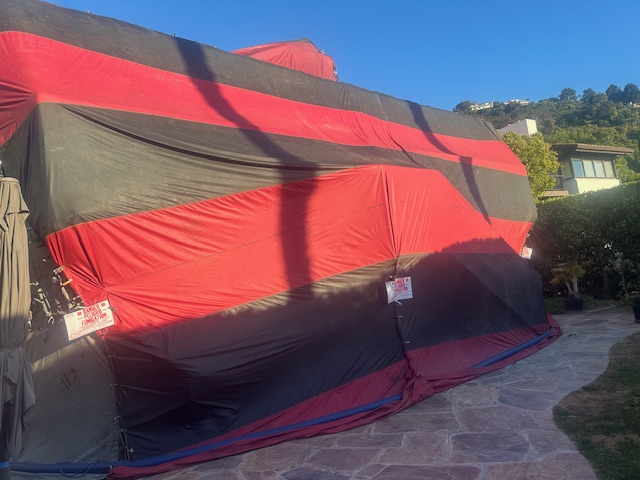
Based on termite species and site conditions, inspectors may suggest liquid soil treatments, baiting systems, localized wood injections, or fumigation. Combining these options provides both immediate and long-term control.
Timeline for Addressing Issues
Reports often include a suggested schedule for remediation. Section 1 problems should be handled before closing, while Section 2 items can typically wait a short time after possession.
A clear understanding of each part of the report allows buyers to make confident, well-informed decisions about repairs, treatment, and budget allocation. Reviewing it with your real estate agent or pest control specialist ensures no step is overlooked.
V. Negotiating Based on Inspection Results
Once the termite inspection report is complete, it becomes a valuable negotiation tool during your real estate transaction. Knowing how to interpret and use the findings strategically can help you save money, ensure structural safety, and close the deal with confidence.
Using Findings in Purchase Negotiations
If the report identifies termite activity, damage, or potential risk factors, it gives you a legitimate basis to request repairs, treatment, or a reduction in the purchase price. Always provide documentation and photographs from the inspection to strengthen your negotiation position.
Additional tips for negotiation success:
- Present your requests professionally and focus on safety rather than cost alone.
- Ask your agent to include repair estimates directly in your counteroffer.
- Keep communication written to avoid misunderstandings.
- Prioritize critical issues like structural integrity and active infestations before cosmetic concerns.
Repair vs Credit Options
Sellers often prefer offering financial credits over managing repairs before closing. This can be beneficial for buyers who want to choose their own contractor and control the quality of work. Ensure that any credit offered accurately covers expected repair or treatment costs.
Extra points to consider:
- Compare multiple contractor estimates to ensure fair valuation.
- Factor in the time and inconvenience of post-closing repairs.
- Request proof that any prior termite work was done by licensed professionals.
- Document all agreements in writing and include them in your escrow paperwork.
Treatment Responsibility
Determining who pays for termite treatment is a key negotiation point. Some contracts assign this to the seller, while others make it the buyer’s obligation. If the seller handles treatment, request detailed invoices and a transferable warranty.
Keep these factors in mind:
- Clarify whether the warranty or service guarantee transfers to you as the new owner.
- Confirm that the treatment covers the entire property, not just visible infestations.
- Ask for follow-up visits as part of the contract to ensure success.
- Maintain communication with the pest control provider for future maintenance.
Follow-Up Inspection Scheduling
A follow-up inspection after repairs or treatments confirms that the property is termite-free before closing. It also satisfies lender requirements for clearance letters.
Here are some key follow-up practices:
- Schedule the inspection within 10–14 days of completed work.
- Request updated photos and documentation from the inspector.
- Ensure all previously noted areas are revisited during reinspection.
- Keep both reports (original and follow-up) as part of your property records.
Warranty and Guarantee Considerations
Most professional termite control services include multi-year warranties covering treated zones and future inspections. Buyers should understand the scope of these guarantees to avoid future disputes.
Important warranty details to verify:
- Length of coverage and renewal terms.
- Conditions that could void the warranty, such as soil disturbance or unreported leaks.
- Transferability to new homeowners in case of resale.
- Availability of annual reinspection at discounted rates.
By leveraging your inspection results with a clear strategy and documentation, you can negotiate confidently and ensure your new home is protected from unseen risks. Well-prepared buyers who handle termite findings proactively often save significant repair costs and secure better long-term value in their investment.
Secure Your Investment With Expert Care
A termite inspection is one of the smartest steps a homebuyer can take to avoid future structural and financial burdens. By addressing potential infestations early, you protect your investment and ensure your new property remains strong for years to come.
If you’re purchasing a home and need trusted professionals to inspect and guide your next steps, contact Elite1 Termite Control, Inc. today for dependable termite control and inspection solutions designed for Los Angeles homeowners.