
How to Prepare Your Home for Termite Tenting
Termite tenting is a highly controlled process designed to eliminate active termite colonies throughout an entire structure. While the treatment itself is handled by trained professionals, proper preparation plays a critical role in ensuring successful results. Homes that are not adequately prepared can experience delays, incomplete exposure, or avoidable complications before and after treatment.
Understanding how termite tenting works, what areas are affected, and how to prepare responsibly helps homeowners approach the process with clarity and confidence. Preparation is not about doing the treatment yourself. It is about ensuring the environment allows professionals to work efficiently and safely while protecting personal belongings and household systems.
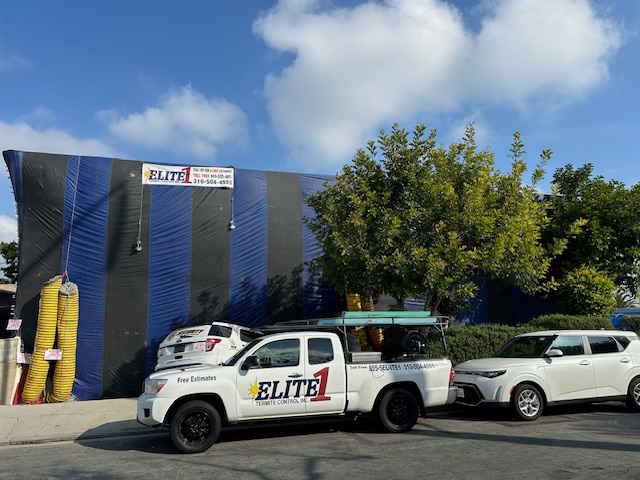
Understanding the Purpose and Scope of Termite Tenting
Termite tenting is typically recommended when termite activity is widespread or deeply embedded within a structure. The process involves sealing the home and introducing a controlled fumigant that penetrates walls, framing, and inaccessible voids where termites live and reproduce.
This approach addresses termites at all life stages, including colonies hidden behind walls or beneath flooring. Because the fumigant must circulate evenly, preparation focuses on removing barriers and ensuring airflow reaches every affected space.
In our previous blog post on winter termite indicators, seasonal changes were highlighted as a factor that often reveals deeper infestations. Tenting is often scheduled after inspections confirm activity that cannot be resolved with localized treatments alone.
Interior Preparation Steps That Protect Your Home
Interior preparation is one of the most important phases before termite tenting begins. The goal is to ensure that the fumigant can move freely while safeguarding items that could be sensitive to the process.
Key preparation steps include:
- Removing all people, pets, and houseplants from the home prior to tenting
- Opening interior doors, cabinets, drawers, and closets to allow airflow
- Sealing or removing consumable items as instructed by the treatment provider
- Powering down electronics when recommended and unplugging unnecessary devices
Certain materials may require special handling based on professional guidance. While the fumigant dissipates completely before reentry, preparation ensures there are no enclosed spaces that block exposure or create uneven treatment zones.
Clear communication with the treatment team helps avoid misunderstandings and ensures nothing is overlooked during this stage.
Exterior Adjustments That Support Effective Tenting
The exterior of the home also requires attention before termite tenting begins. These adjustments help technicians secure the structure properly and maintain an airtight seal throughout the treatment period.
Common exterior preparations include:
- Trimming back vegetation that touches exterior walls or rooflines
- Removing outdoor furniture, grills, and stored items near the foundation
- Clearing access to crawl spaces, attics, and utility connections
- Ensuring gates, fences, and detached structures are accessible
Exterior preparation supports tent stability and prevents air gaps that could reduce treatment effectiveness. Homes with complex rooflines or attached structures benefit from thorough exterior clearance to allow proper sealing.
In our article addressing ten common misconceptions, many homeowners underestimate how exterior features influence treatment success. Preparation ensures the tent remains secure for the full duration of the process.
What to Expect During and After Termite Tenting
Knowing what happens during and after termite tenting helps homeowners plan appropriately and reduces unnecessary concern. The treatment period typically lasts several days, including aeration and clearance testing before reentry.
During tenting:
- The home is fully sealed and monitored to maintain proper exposure levels
- No entry is permitted for safety reasons until clearance is confirmed.
- Professionals conduct measurements to ensure complete fumigant dispersal.
After the tent removal, technicians perform testing to verify the home is safe to reenter. Ventilation systems help remove residual fumigant, and clearance notices are provided once safety thresholds are met.
Post treatment, homeowners may notice an absence of activity rather than immediate visible changes. Structural termites are eliminated, but damaged wood may still require evaluation depending on prior infestation levels. Follow-up inspections are often recommended to confirm long-term control.
Why Professional Guidance Is Critical Throughout the Process
Termite tenting is not a one-size-fits-all procedure. Each home presents unique structural features, infestation patterns, and preparation requirements. Professional oversight ensures that every phase of the process is managed correctly, from planning to clearance.
Expert involvement provides:
- Accurate assessment of infestation severity and treatment scope
- Clear preparation instructions tailored to the structure
- Monitoring of environmental conditions during treatment
- Guidance on post-treatment expectations and follow-up needs
Attempting to interpret preparation requirements independently can lead to mistakes that affect treatment outcomes. Professionals understand how termite behavior, structural design, and environmental conditions interact during fumigation.
Termite tenting is most effective when preparation and execution are aligned. Proper planning reduces stress, minimizes disruption, and ensures the treatment achieves its intended purpose.
Preparing for a More Confident Outcome
If you are preparing for termite tenting or have been advised that fumigation is necessary, professional guidance can make the process far smoother. Contact Elite1 Termite Control, Inc. to discuss preparation steps, timelines, and what to expect before, during, and after treatment.