
Hidden Termite Entry Points Most Homeowners Miss
Termites are among the most destructive structural pests homeowners face. Unlike visible infestations such as ants or rodents, termites operate quietly behind walls, beneath flooring, and inside wooden supports. By the time obvious damage appears, colonies may already be well established.
One of the most overlooked aspects of termite prevention is identifying entry points. Subterranean termites in particular exploit small structural gaps and moisture-prone areas to gain access. Understanding where hidden termite activity begins allows homeowners to act before serious structural compromise occurs.
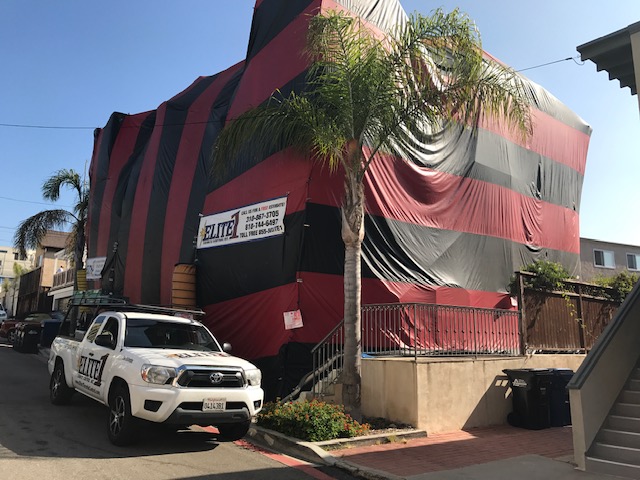
Foundation Gaps and Soil Contact Areas
Termites require contact with soil to survive. Subterranean species travel from underground colonies into homes through narrow cracks that are often invisible without close inspection.
Common foundation-related entry points include:
- hairline cracks in concrete slabs
- expansion joints where slabs meet walls
- gaps around plumbing penetrations
- wood siding that touches soil
Even minor shifts in soil can create openings large enough for termites to enter. Mud tubes constructed along foundation walls are sometimes visible, but in many cases, entry occurs behind insulation or landscaping features.
Homes with improper grading or excess moisture near the foundation face increased risk. Persistent dampness softens wood and attracts termites searching for accessible cellulose.
Professional inspection evaluates foundation integrity, moisture patterns, and structural transitions where materials meet. Identifying vulnerabilities early reduces the likelihood of hidden termite activity developing undetected.
Utility Lines and Structural Penetrations
Termites often exploit areas where pipes, wires, and vents pass through walls or slabs. These penetrations may not be fully sealed, providing concealed access routes.
High-risk penetration points include:
- water line entry points
- HVAC conduit openings
- electrical service penetrations
- cable and utility access holes
Because these areas are typically hidden behind appliances or inside cabinets, homeowners may never notice subtle termite movement. Over time, colonies can establish themselves within wall voids adjacent to these penetrations.
In some cases, internal wall infestations require specialized treatment methods. If damage is suspected within structural cavities, homeowners may benefit from understanding the role of targeted foam applications described in this overview of termite foam treatment signs.
Foam treatments are often used to reach voids where liquid treatments cannot penetrate easily. Accurate assessment ensures that treatment methods match the location and extent of the infestation.
Rooflines, Attics, and Wood-to-Wood Contact
Although subterranean termites primarily enter from the ground, moisture-damaged wood above ground level can also become vulnerable. Leaking roofs, clogged gutters, and poorly ventilated attics create conditions conducive to termite exploration.
Overlooked upper-level risk areas include:
- fascia boards exposed to water damage
- wooden deck attachments connected to the home
- stored lumber in attics or garages
- untreated wood in contact with exterior siding
When moisture weakens wood fibers, termites are more likely to exploit these areas. Because damage may begin internally, visible signs such as blistered paint or hollow-sounding wood often appear only after colonies expand.
Regular inspection of rooflines and exterior attachments is critical. Termites may also coexist with other wood-damaging pests such as carpenter ants or wood-boring insects. Comprehensive pest management addresses the broader category of structural invaders rather than focusing on a single species.
Landscaping and Exterior Features
Homeowners often focus on the interior of their property when thinking about termites. However, landscaping can create hidden entry pathways.
Landscaping-related risk factors include:
- mulch piled against foundation walls
- wooden fencing attached directly to the structure
- tree stumps or buried wood near the home
- dense shrubs that trap moisture against siding
Mulch retains moisture and provides cover for termite movement. Wooden structures connected to the home can act as bridges, allowing termites to bypass treated soil.
Exterior features should be evaluated as part of a broader prevention plan. Removing direct wood-to-soil contact and maintaining proper clearance around foundations reduces access opportunities.
Termites are not the only pests influenced by landscaping. Rodents, ants, and other insects may also exploit these conditions. Integrated pest assessments consider the entire exterior environment.
The Role of Routine Inspections
Because termites are stealthy, routine inspection remains the most effective defense. Many homeowners wait until visible damage appears, but early detection dramatically reduces repair costs.
Annual inspections typically involve:
- evaluation of foundation and structural transitions
- moisture assessment in crawl spaces
- inspection of attic framing and wood supports
- identification of conducive conditions
Understanding when to schedule professional evaluations is essential. For guidance on timing and frequency, homeowners can review this resource on annual termite inspection timing.
Termite colonies can grow for years before detection. Even small entry points can support large populations over time. Regular monitoring allows professionals to identify subtle indicators of hidden termite activity before significant structural compromise occurs.
Professional termite specialists are trained to recognize patterns that homeowners may overlook. Thermal imaging, moisture meters, and probing techniques enhance detection accuracy.
Why Professional Evaluation Matters
Hidden termite entry points are rarely obvious. Structural cracks, minor moisture issues, and small landscaping changes can create opportunities for infestation.
While homeowners can perform basic visual checks, a comprehensive evaluation requires experience and specialized tools. Termites often remain concealed within walls, beneath flooring, or inside wooden supports where surface-level observation cannot reveal their presence.
Professional termite control programs focus exclusively on termite management and prevention. By identifying vulnerabilities early and recommending targeted solutions, experts help preserve structural integrity and long-term property value.
Termites cause billions of dollars in property damage annually. Early detection and prevention are far more cost-effective than extensive structural repairs.
Do Not Let Termites Stay Hidden
If you suspect hidden termite activity or want to schedule a preventive inspection, contact Elite1 Termite Control, Inc. for a professional evaluation designed to protect your home and its structural integrity.