
Coastal Homes and Termite Risk in Los Angeles This Spring
Spring along the Los Angeles coastline brings warmer days, ocean air, and renewed growth across residential properties. It also marks a period when termite risk increases, particularly for homes located near the coast. While termites remain active throughout much of the year in Southern California, seasonal shifts can intensify structural vulnerability.
From a professional perspective, coastal conditions create a combination of moisture, temperature stability, and wood exposure that supports both subterranean termites and drywood termites. Understanding how spring weather interacts with construction materials is essential to protecting long-term property value.
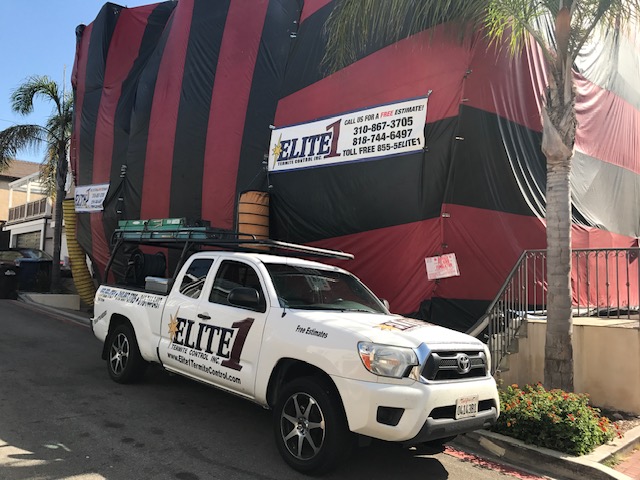
How Coastal Climate Elevates Termite Activity
Los Angeles coastal neighborhoods experience moderate winters and early spring warming. This climate does not force termite colonies into dormancy. Instead, it supports consistent feeding cycles and seasonal expansion.
Key environmental factors that increase termite risk include:
- Elevated humidity from ocean air
- Mild winter temperatures
- Early spring soil warming
- Seasonal rainfall followed by heat
Moisture plays a central role in subterranean termite survival. Even minor increases in soil moisture can stimulate foraging behavior. When spring rainfall is followed by warmer days, termite colonies become more active near the surface.
If you want a deeper understanding of how regional conditions influence infestations, review Southern California termite risk. Climate consistency in this region allows colonies to remain active far longer than in colder states.
Because there is no extended freeze to interrupt activity, spring becomes a season of expansion rather than reactivation. Colonies may already be established and simply increase movement during this period.
Moisture Retention in Coastal Construction Materials
Homes near the ocean are regularly exposed to marine layer moisture. Fog, salt air, and humidity affect exterior building materials differently than in inland communities.
Common moisture-related concerns include:
- Wood siding that absorbs humidity
- Deck supports exposed to damp soil
- Crawl spaces with limited ventilation
- Window frames that trap condensation
Over time, moisture retention weakens protective barriers and softens wood fibers. This creates conditions that subterranean termites exploit when accessing structural framing. Drywood termites may also target exterior wood elements that retain surface moisture.
Spring intensifies this effect because seasonal irrigation resumes and landscaping thrives. Irrigation systems placed too close to foundations can maintain consistent soil dampness, further increasing termite risk.
Professional inspections during spring often focus on areas where moisture and wood intersect. These vulnerable points are frequently overlooked by homeowners who may not see visible signs until damage is advanced.
Swarming Season Signals Active Colonies
Spring in Los Angeles often coincides with termite swarming activity. Swarmers are reproductive termites that leave established colonies to form new ones. While swarmers themselves do not cause structural damage, their presence signals mature colonies nearby.
Homeowners may observe:
- Discarded wings near windows or doors
- Flying termites around outdoor lights
- Swarmers emerging from attic vents
- Small entry points along fascia boards
When swarmers are seen inside the home, it typically indicates an existing internal colony. Coastal warmth allows these colonies to develop steadily, making spring a common season for visible swarms.
Swarming does not necessarily mean a new infestation began that week. Instead, it often confirms long-standing activity within structural wood. Prompt professional evaluation helps determine whether subterranean or drywood termites are involved and how extensively they have spread.
Because swarming can occur across neighborhoods simultaneously, coastal communities may experience seasonal spikes in inspection requests.
Soil Contact and Foundation Vulnerabilities
Many coastal homes are built on slab foundations or raised foundations with crawl spaces. Soil contact points are common and may unintentionally provide termite access.
Areas of concern often include:
- Wood framing that touches soil
- Fence posts attached to structures
- Expansion joints along slabs
- Utility penetrations at foundation lines
Subterranean termites travel through soil and construct mud tubes to reach wooden components. Even small cracks can serve as entry points. Spring soil warming encourages foraging near foundation edges, especially after rain.
Professional soil-based protection methods are frequently recommended in these cases. For more insight into why this approach is effective, explore termite soil treatment works. Soil treatments create a protective barrier that addresses termite movement at the source rather than reacting to visible damage.
Drywood termites present a different challenge. They can infest exposed wood without soil contact, particularly in attic spaces or exterior trim. Coastal properties with extensive wood detailing may be especially vulnerable.
Recognizing the difference between species is critical to determining the correct treatment plan.
Why Spring Is the Ideal Time for Professional Evaluation
Spring offers a strategic window for termite inspections. Increased activity makes colonies easier to detect, yet structural damage may still be limited if addressed promptly.
Professional evaluation during this season provides:
- Identification of both subterranean and drywood termites
- Assessment of moisture-related risk factors
- Early detection before extensive structural damage
- Recommendations tailored to coastal conditions
Termite infestations often develop quietly. Coastal homes, with their consistent humidity and moderate temperatures, rarely benefit from natural population slowdowns. Instead, colonies remain stable and expand gradually.
In addition to termites, property owners may also encounter other wood related pests such as wood boring beetles. Accurate identification ensures that the proper treatment is selected rather than applying a generalized solution.
Professional oversight is especially valuable in coastal Los Angeles because environmental conditions rarely eliminate termite pressure naturally. Prevention and early intervention remain the most effective safeguards against costly repairs.
Spring is not simply a season of blooming landscapes. It is also a period when termite risk becomes more visible. Proactive inspection allows homeowners to address vulnerabilities before summer heat accelerates activity further.
Safeguard Your Coastal Property Before Damage Escalates
If you live in a coastal Los Angeles community and want to reduce termite risk this spring, schedule a professional inspection today. Contact Elite1 Termite Control, Inc. to evaluate your home and implement a targeted protection plan.