
My House Is Old, Should I Worry About Termites?
Owning an older home often comes with character, craftsmanship, and history. It also comes with structural vulnerabilities that newer properties may not have. One of the most common concerns tied to aging structures is the potential for termite activity.
From a professional perspective, older homes are not automatically infested, but they do present conditions that make a termite problem more likely if left unchecked. Understanding why these risks exist and how they develop is essential for protecting the integrity of the structure over time.
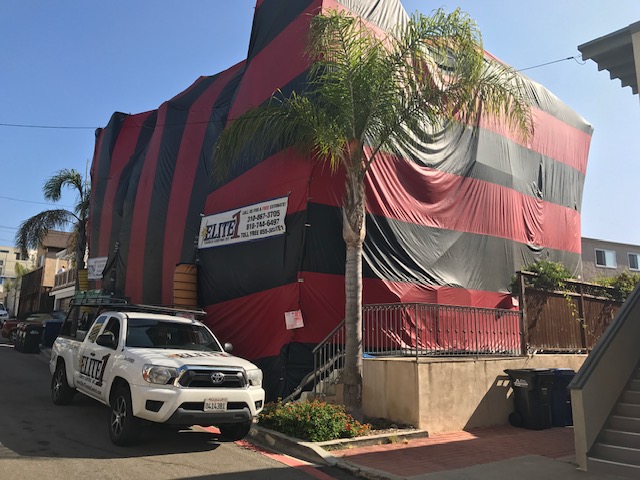
Why Older Homes Are More Vulnerable to Termites
As homes age, materials, construction methods, and environmental exposure begin to shift. These changes can create entry points and favorable conditions for termites to thrive.
- Natural settling can create cracks in the foundation and walls
- Older wood materials may become softer and easier for termites to consume
- Outdated construction methods may lack modern protective barriers
- Moisture buildup over time can weaken structural components
- Previous repairs may leave hidden gaps or untreated areas
These factors do not guarantee a termite problem, but they significantly increase the likelihood if regular inspections and pest management are not in place.
Older homes also tend to have areas that are harder to access, such as crawl spaces or enclosed voids. These hidden environments allow termites to remain undetected for longer periods.
Early Signs of a Termite Problem in Aging Structures
Recognizing early warning signs is one of the most important steps in limiting damage. In older homes, these signs can sometimes blend in with general wear, making them easier to overlook.
- Hollow-sounding wood that indicates internal damage
- Mud tubes along foundations or walls are used for termite travel
- Discarded wings near windows or entry points after swarming
- Bubbling paint that resembles water damage
- Doors or windows that suddenly become difficult to open
These indicators often appear before severe structural damage occurs. However, they require careful attention, as they may be mistaken for normal aging.
For a closer look at how these signs present themselves, our guide on termite signs in walls explains how activity can develop behind surfaces long before it becomes visible.
Structural Areas Where Termites Commonly Thrive
Termites do not randomly spread throughout a home. They focus on areas that provide consistent access to food, moisture, and shelter. Older homes often contain multiple such environments.
- Crawl spaces with limited ventilation and higher humidity
- Wooden beams and support structures near the foundation
- Attics where insulation and wood framing create hidden pathways
- Wall voids that allow termites to travel undetected
- Areas with plumbing leaks that provide continuous moisture
These zones are particularly vulnerable because they are rarely inspected closely. Over time, termite activity in these areas can compromise the structural integrity of the home.
Understanding where termites are most likely to thrive helps guide a more effective approach to prevention and treatment.
Why Professional Assessment Is Essential for Older Homes
A termite problem in an older home is rarely isolated. It often involves multiple entry points and hidden colonies that require a detailed and methodical approach.
- Comprehensive inspections reveal activity that is not visible on the surface
- Identification of termite species helps determine the appropriate treatment
- Evaluation of structural vulnerabilities guides long-term solutions
- Targeted treatments address both active infestations and risk areas
- Monitoring ensures that the activity does not return after treatment
Without this level of assessment, termite issues may persist or reappear. Surface-level solutions rarely address the full scope of the problem, especially in aging structures.
For example, advanced treatment methods may be necessary in certain cases. Our resource on foam treatment signs explains when deeper applications are required to reach hidden infestations.
Long-Term Prevention for Older Homes
Protecting an older home from termites requires a proactive and ongoing approach. Prevention focuses on reducing the conditions that allow termites to thrive.
- Schedule regular inspections to detect early activity
- Maintain proper drainage to prevent moisture buildup
- Seal cracks and entry points around the structure
- Replace or repair damaged wood materials promptly
- Implement termite management plans that adapt over time
Consistency is key. A single treatment may address current activity, but long-term protection depends on continued monitoring and maintenance.
Older homes benefit from structured prevention plans because they address both visible risks and hidden vulnerabilities. This approach helps preserve the structure while reducing the likelihood of recurring infestations.
Protect the Character of Your Home With Confidence
Owning an older home does not mean accepting the risk of termite damage. With the right approach, it is possible to maintain both the charm and structural integrity of the property.
If you are concerned about a termite problem or want a clearer understanding of your home’s condition, reach out to Elite1 Termite Control, Inc. and let us help you protect what matters most with a thorough and reliable plan.