
Why Termite Soil Treatment Works Better Than DIY
Termites are among the most persistent and destructive structural pests, especially in regions where conditions support year-round activity. Many homeowners explore do-it-yourself options when termites are discovered, often drawn by convenience or lower upfront cost. However, termite soil treatment is not a surface-level task. It is a technical process that requires precision, training, and a deep understanding of termite behavior.
From an expert perspective, termite soil treatment works best when it creates a continuous, properly applied barrier between the soil and the structure. This level of protection is difficult to achieve without professional equipment and experience. Understanding why professional approaches outperform DIY methods helps homeowners make informed decisions that protect their property long term.
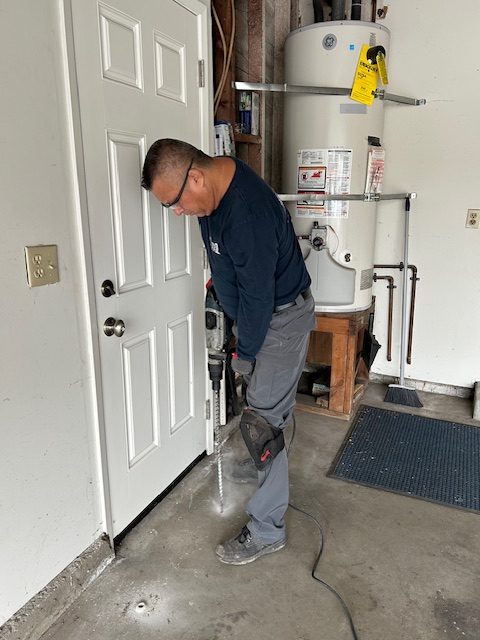
How Termite Soil Treatment Actually Works
Termite soil treatment is designed to intercept termites before they enter a structure. Subterranean termites live in soil and rely on it for moisture and shelter. By treating the soil around and beneath a home, professionals create a protective zone that termites cannot cross without exposure.
Effective soil treatment focuses on:
- Applying termiticides at specific depths and intervals
- Creating a continuous barrier around foundations
- Targeting soil where termites naturally forage
- Accounting for soil composition and moisture levels
This process requires careful planning. Gaps, uneven application, or incorrect dilution can allow termites to bypass treated areas entirely. DIY products often fail because they do not account for these variables, leaving vulnerable points that termites quickly exploit.
Why DIY Soil Treatments Fall Short
DIY termite products are limited in both scope and effectiveness. While they may appear similar to professional solutions, they are not applied under the same conditions or with the same precision. Homeowners often lack access to commercial-grade materials and specialized application tools.
Common limitations of DIY soil treatment include:
- Incomplete coverage around foundations
- Incorrect depth or spacing during application
- Inability to treat beneath slabs or hardscapes
- Lack of follow-up monitoring after application
Termites are highly adaptive. If even a small section of soil remains untreated, colonies will find it. DIY approaches also tend to focus on visible areas, while termite activity often originates deeper in the soil or beneath structural elements. This disconnect explains why reinfestation is common after do-it-yourself attempts.
The Importance of Precision and Expertise
Professional termite soil treatment is based on more than applying a product. It requires an understanding of termite biology, soil conditions, and building construction. Each property presents unique challenges that influence how treatments should be applied.
Professional expertise ensures:
- Accurate assessment of termite pressure and entry points
- Proper calibration of treatment volumes
- Adjustment for soil type, drainage, and moisture
- Coordination with structural features such as slabs and footings
Without this level of precision, treatments may look complete on the surface but fail where it matters most. Professionals also integrate soil treatment with other protective measures, including monitoring systems that confirm effectiveness over time. These systems are discussed further in this resource on advanced termite monitoring, which explains how ongoing evaluation strengthens long-term protection.
Long-Term Protection Versus Temporary Results
One of the most significant differences between professional and DIY termite soil treatment is durability. Professional applications are designed to last, creating long-term barriers that remain effective when applied correctly.
Long-term benefits of professional soil treatment include:
- Extended residual protection in treated soil
- Reduced likelihood of termites bypassing barriers
- Integration with inspection and monitoring plans
- Early detection if conditions change
DIY methods often provide short-term reduction rather than true prevention. Without monitoring, homeowners may assume protection is in place while termites continue to operate undetected. Reinfestation is not always obvious at first, which is why knowing what to watch for after treatment matters. This is explored further in this guide on post-treatment warning signs, which highlights how subtle indicators can signal a breakdown in protection.
Why Professional Treatment Reduces Risk Over Time
Termite damage is cumulative. The longer activity continues, the more extensive and expensive repairs become. Professional termite soil treatment reduces risk by addressing the problem at its source rather than reacting to symptoms.
A professional approach emphasizes:
- Preventing termites from accessing the structure
- Reducing reliance on repeated corrective treatments
- Protecting structural integrity year after year
- Providing documentation and accountability
This strategy shifts termite management from reaction to prevention. Instead of responding to visible damage, homeowners benefit from a protective system designed to keep termites out altogether. Over time, this approach proves more cost-effective and far less disruptive.
DIY efforts often underestimate the persistence of termites and the complexity of soil treatment. Without proper coverage and monitoring, protection erodes quietly, allowing colonies to reestablish themselves.
Termite soil treatment works best when it is precise, continuous, and supported by expertise. These elements are difficult to replicate without professional training and equipment. When long-term protection is the goal, professional treatment offers a level of reliability that DIY methods cannot match.
A Smarter Way to Protect Your Foundation
We know how tempting DIY solutions can be, but termite protection requires accuracy and experience to truly work. Our soil treatment process is designed to create lasting barriers and reduce the risk of reinfestation. If you want dependable protection built for long-term results, contact Elite1 Termite Control, Inc. today and let’s protect your home the right way.