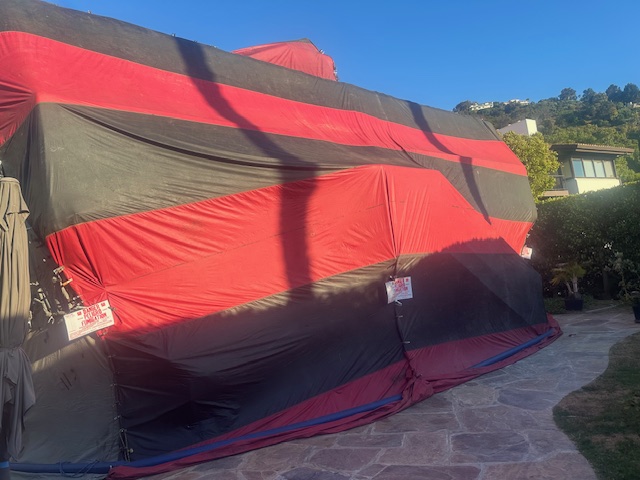
A strong termite defense begins outside the home. Termites often gain access through conditions that develop around foundations, landscaping, exposed wood, roof edges, and moisture-prone areas. Because drywood and subterranean termites behave differently, the exterior should be evaluated as a collection of possible access points rather than one uniform barrier.
Subterranean termites approach from the soil and depend heavily on moisture, while drywood termites can establish colonies directly inside suitable wood without soil contact. Professional inspection helps determine which risks matter most for a specific property. By reducing conditions that support access and keeping vulnerable areas visible, homeowners can make future termite monitoring more effective.
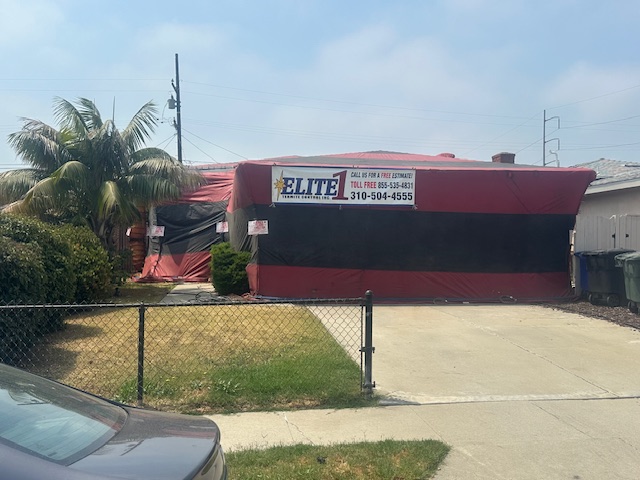
Keep Foundation Edges Visible And Manage Moisture
Foundation areas deserve regular attention because soil, irrigation, mulch, and exterior wood can create concealed routes for subterranean termites. Landscaping that covers slab edges can also make mud tubes and other warning signs harder to detect.
Important exterior priorities include:
- Keeping soil and mulch below exposed foundation edges
- Redirecting irrigation away from exterior walls
- Repairing leaking hose bibs and outdoor plumbing
- Improving drainage where water repeatedly collects
- Removing wood debris from foundation areas
- Trimming dense vegetation that hides structural surfaces
A closer look at termite risk factors shows why moisture, wood-to-soil contact, construction gaps, and landscaping changes can affect both older homes and newer properties. These conditions do not prove termites are active, but they can make inspection and prevention more important.
Separate Exterior Wood From Soil Whenever Possible
Wood that touches soil gives subterranean termites a more direct path toward a food source. Deck posts, fencing, siding, landscape timbers, stored lumber, and other cellulose-based materials should be evaluated for unnecessary soil contact.
Homeowners should also pay attention to wood that stays damp after irrigation or rainfall. Moisture can make certain areas more favorable while also hiding early deterioration. A professional inspector can distinguish termite evidence from water damage, dry rot, or aging materials and identify whether treatment is warranted.
Drywood termites create a different concern because they do not need soil contact. Exposed trim, eaves, rafters, fencing, and other suitable wood can still require inspection even when the foundation is well maintained. That is why exterior termite defense should account for both soil-based access and above-ground wood.
Remove Conditions That Hide Early Termite Evidence
Termite prevention becomes harder when exterior surfaces cannot be inspected easily. Storage, vegetation, stacked materials, and decorative features may block views of foundation lines or wooden components.
Useful maintenance steps include:
- Moving stored lumber away from the house
- Removing dead stumps and wood debris near structures
- Keeping crawl-space entrances accessible
- Checking fence posts and wooden steps for damage
- Maintaining clearance around exterior utility penetrations
- Watching for mud tubes, frass, or discarded wings
Clear access gives professionals a better opportunity to compare structural conditions over time. A new mud tube, fresh drywood termite pellets, or changing wood condition can provide valuable evidence when it is not hidden behind stored materials or overgrown landscaping.
Consider Preventive Treatment During Construction Or Renovation
Exterior preparation is especially valuable during additions, renovations, and new construction because structural wood may be exposed before finishes are installed. This creates opportunities for preventive treatment that become much harder once walls, insulation, flooring, and exterior materials close the structure.
For suitable projects, borate wood protection can be applied to unfinished wood while framing is accessible. Once absorbed and dry, the treatment helps make treated wood less favorable for termite feeding. Professional application matters because wood type, access, moisture conditions, timing, and coverage all influence how the treatment fits into a broader termite-management plan.
Borates are only one option. Depending on termite species, property conditions, and evidence, professionals may also recommend soil treatment, localized foam treatment, tenting, inspection, or continued monitoring.
Build Long-Term Termite Defense Around Regular Inspection
Exterior preparation reduces risk, but no maintenance step can guarantee that termites will never approach a property. Conditions change as landscaping matures, plumbing ages, structures settle, and repairs alter building details.
A long-term plan may include:
- Scheduling periodic professional termite inspections
- Rechecking areas with previous termite activity
- Monitoring moisture-prone exterior sections
- Maintaining separation between soil and wood
- Reviewing termite risks after renovations or repairs
- Following up when new warning signs appear
Professional inspection adds an important layer because technicians can identify whether evidence points to drywood or subterranean termites and recommend treatment accordingly. Localized foam may suit certain concealed drywood activity, while subterranean termites may require soil-focused treatment. Widespread drywood activity can sometimes call for whole-structure tenting.
The purpose of termite defense is not to cover the property with unnecessary treatment. It is to reduce favorable conditions, keep vulnerable areas visible, identify activity accurately, and respond before hidden feeding becomes extensive. When exterior maintenance and professional monitoring work together, homeowners gain a more reliable way to protect structural wood over the long term.
Strengthen The First Line Of Termite Protection
If you want a clearer understanding of termite risks around your home, contact Elite1 Termite Control, Inc. for professional inspection, targeted treatment, prevention planning, and long-term monitoring.